Torture Devices
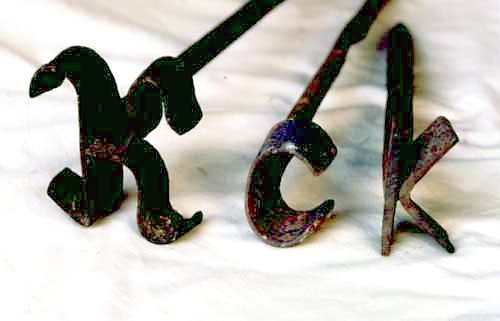
Branding Irons and Permanent Marking
Branding irons are one of the clearest examples of how punishment in medieval societies was designed for both pain and a lasting social scar.

Branding irons are one of the clearest examples of how punishment in medieval societies was designed for both pain and a lasting social scar.
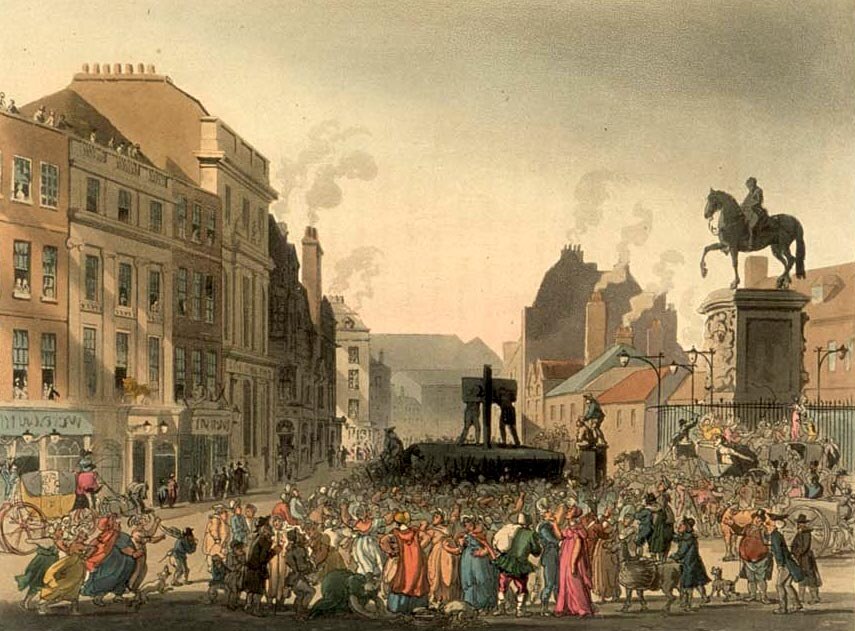
The pillory and the stocks were among the most familiar sights of public punishment in medieval and early modern Europe.
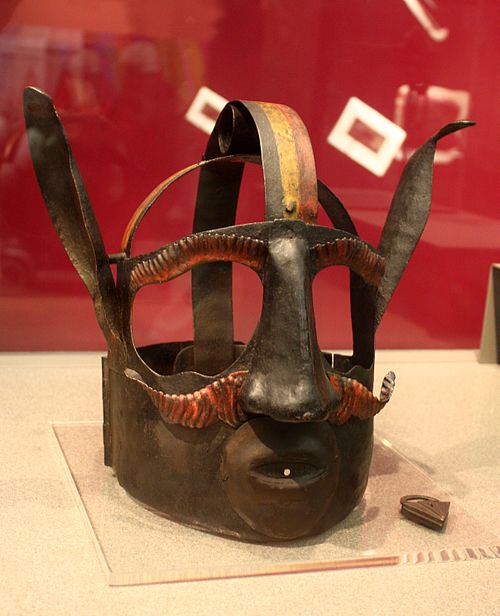
The Scold’s Bridle (also called the brank) was an iron restraint device used mainly for women between the 16th and 18th centuries.
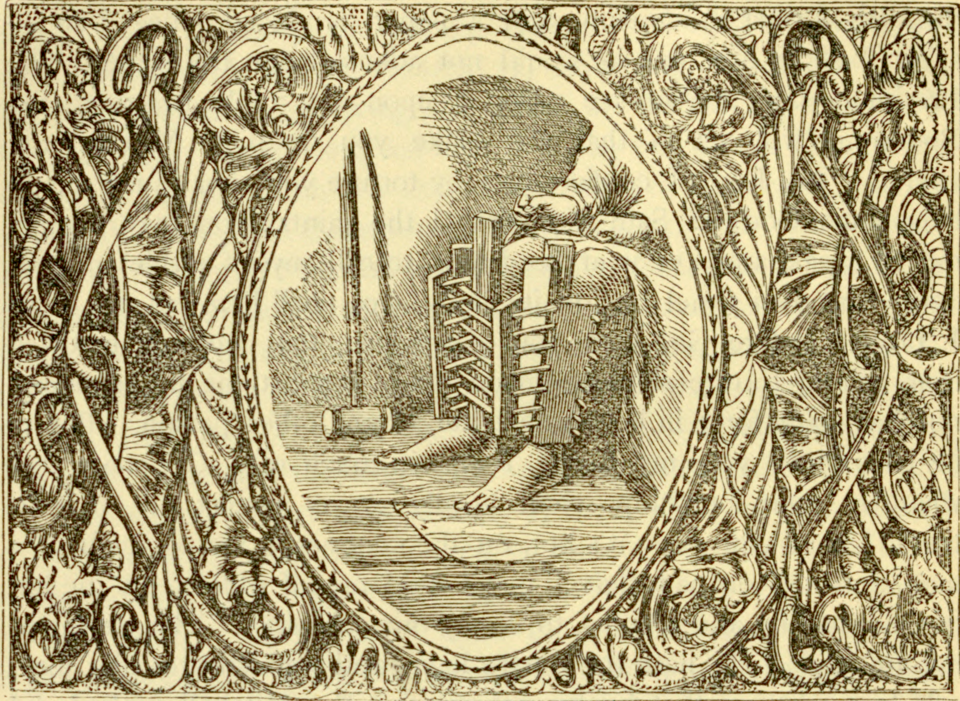
This type of medieval torture was designed to cause crushing injuries to the foot and/or the leg. Learn more about “the boot”.
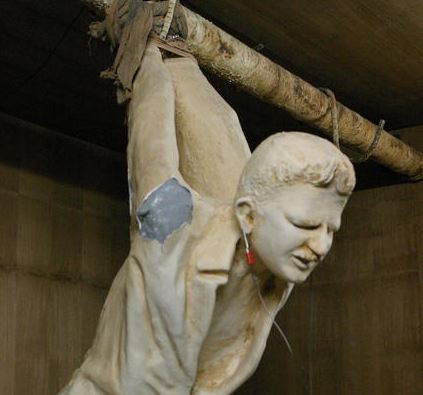
One of the most common and well-recorded methods of torture during medieval times was strappado, which was used in European courts and prisons.
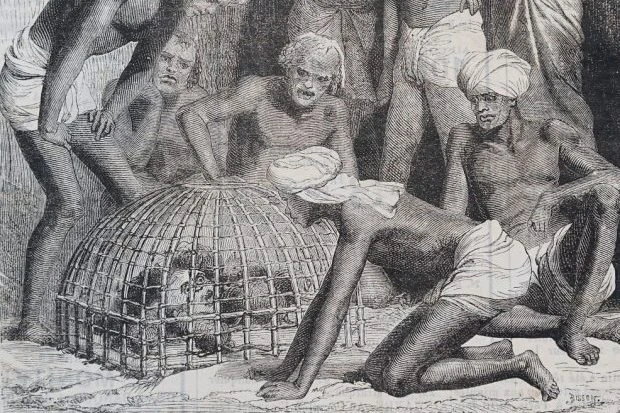
Unlike torture methods such as the rack or strappado, rat torture is not well documented in medieval legal or inquisitorial records.
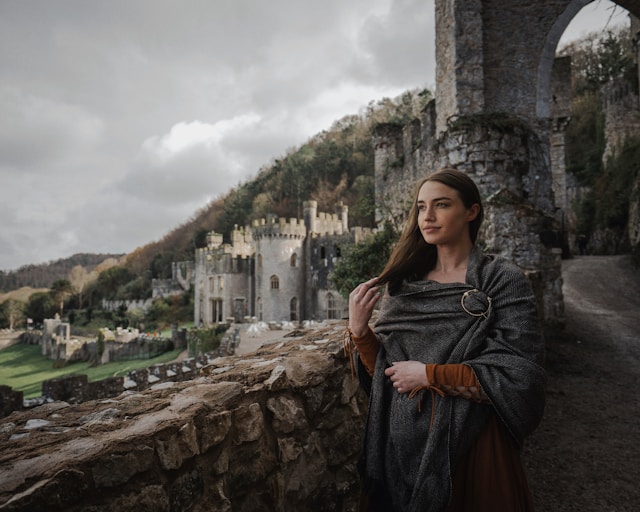
During the Middle Ages, a variety of materials were used to make clothing. Let’s take a look at how social status and climate played a role.
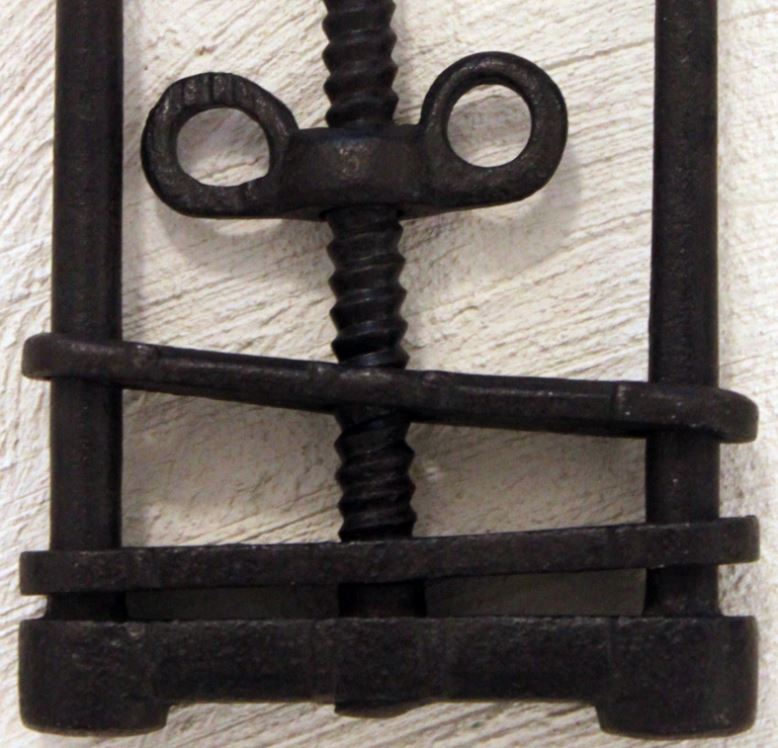
The Thumbscrew was a simple but effective device used to crush the victim’s fingers or thumbs, often resulting in pain and permanent damage.
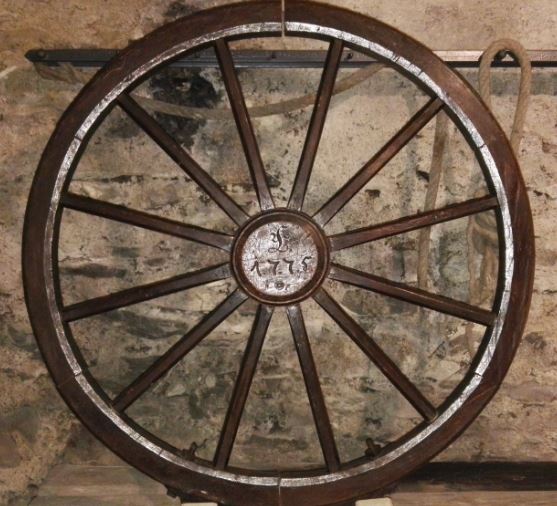
The Breaking wheel or Catherine wheel involved tying a victim to a large wheel and then breaking their limbs with a hammer or iron bar.
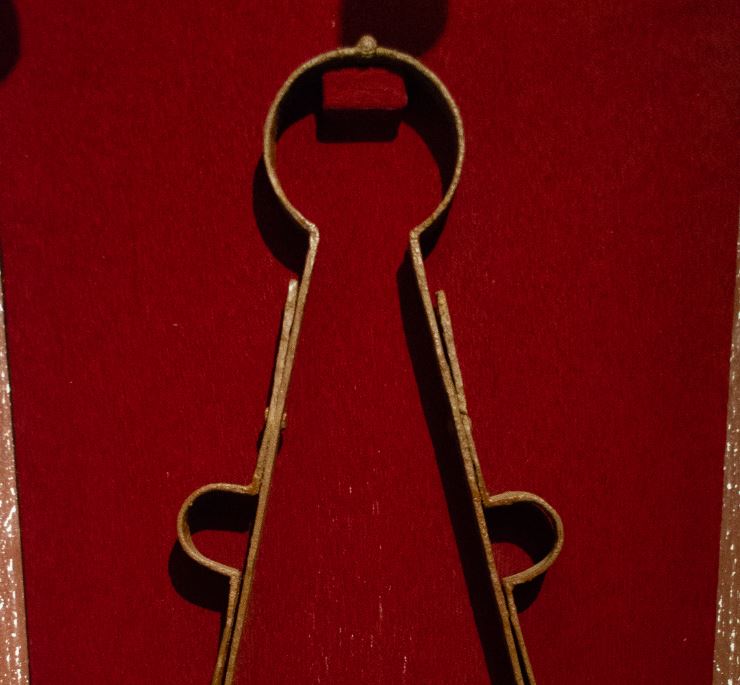
The Scavenger’s Daughter compressed the victim’s body into a compact position, causing extreme discomfort and sometimes asphyxiation.
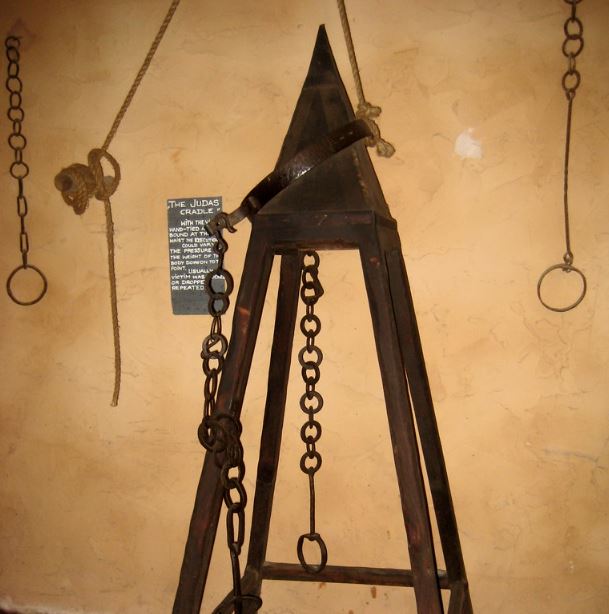
The medieval Judas Cradle consisted of a pyramid-shaped seat with a sharpened tip. The victim was lowered onto the pyramid.
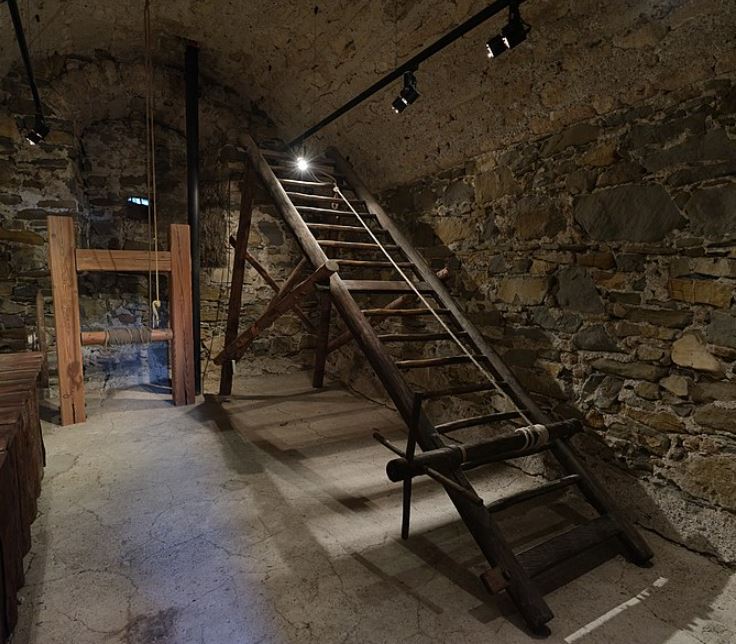
The rack was a medieval device consisting of a wooden frame with rollers at both ends, onto which the victim’s limbs were tied and stretched.
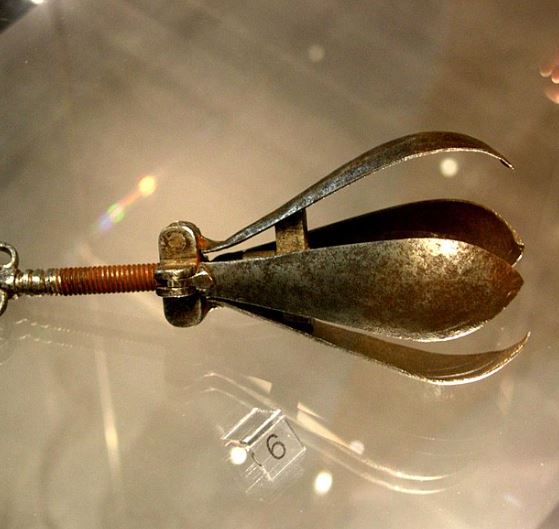
The Pear of Anguish was a torture and interrogation device used in medieval Europe. The device could be inserted and then expanded.
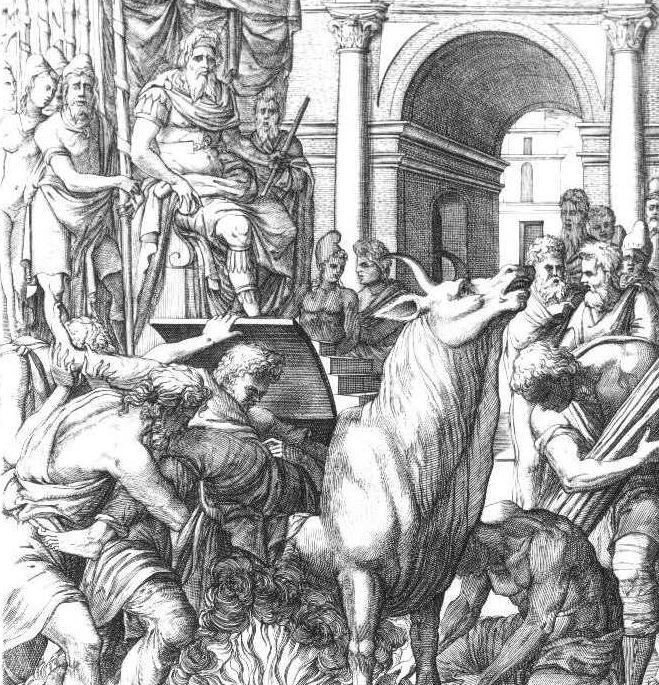
Although the brazen bull was originally Greek, it’s also associated with medieval times due to its notorious reputation.
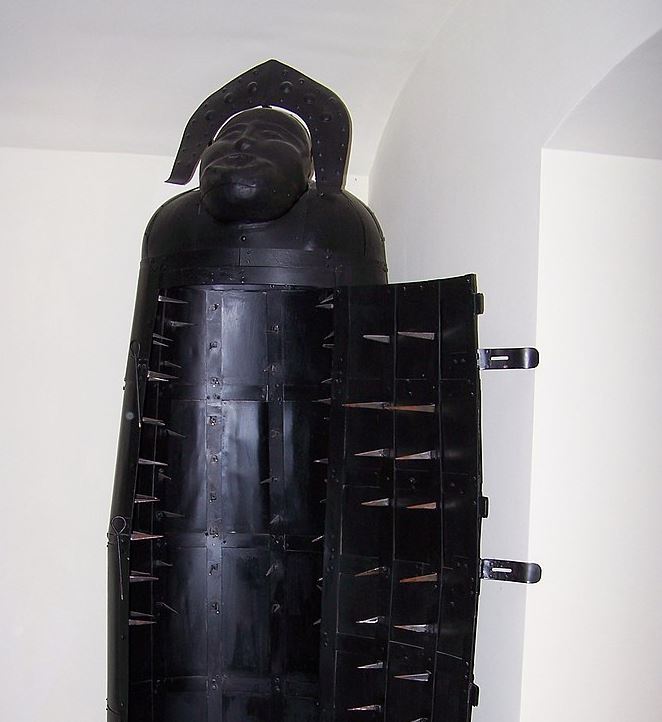
The The Iron Maiden is typically depicted as a large, upright, coffin-shaped structure with spikes on the inside. But did it actually exist?
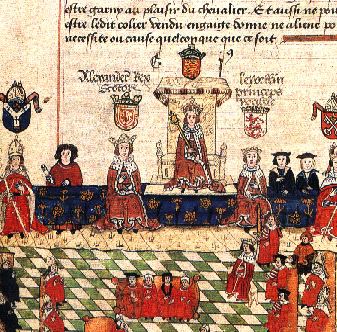
Andrew de Moray a pivotal figure in the Wars of Scottish Independence and stands as a symbol of Scottish resistance against the English.
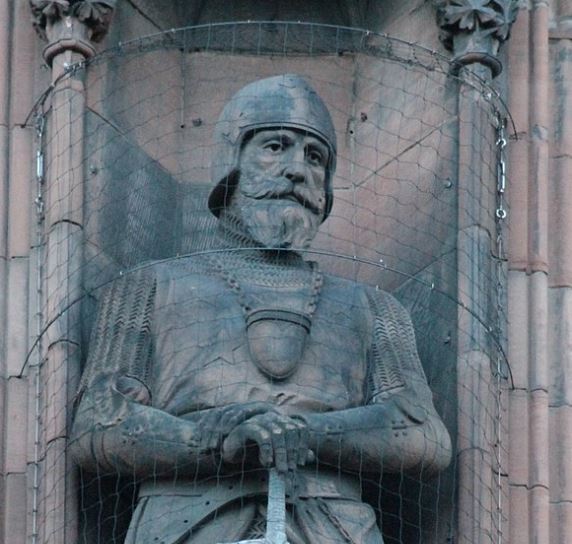
James Douglas was a formidable figure renowned for his unwavering loyalty, military prowess, and unyielding commitment to Scotland’s cause.
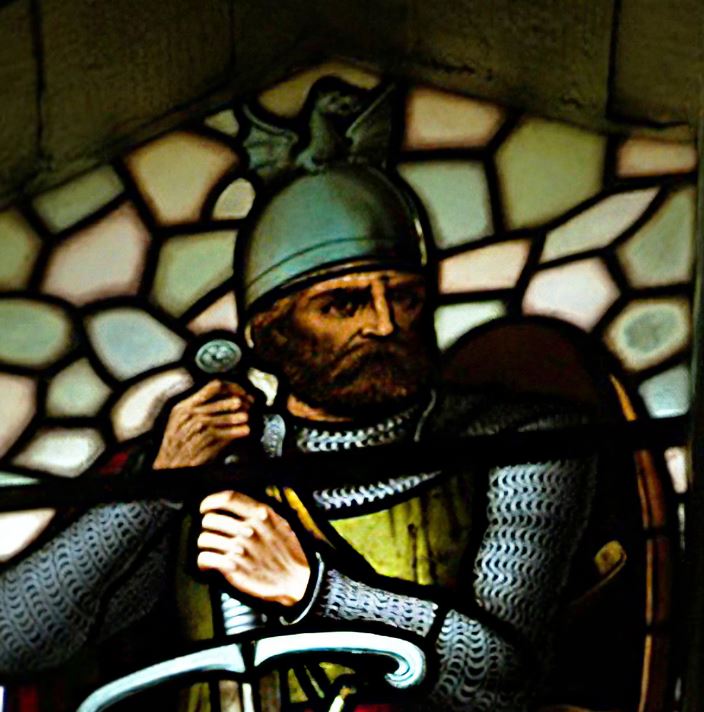
William Wallace commands reverence as a symbol of resistance against English oppression during the Wars of Scottish Independence.
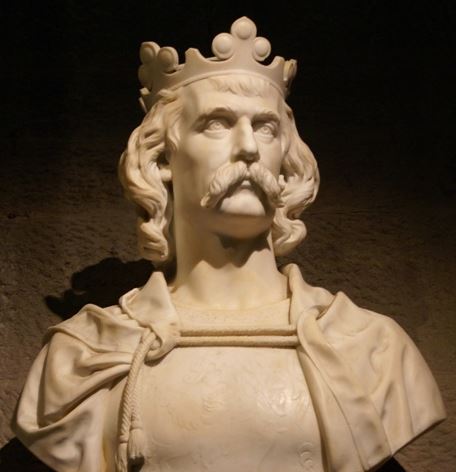
Robert the Bruce was one of Scotland’s most renowned medieval kings and a prominent figure in the country’s history.
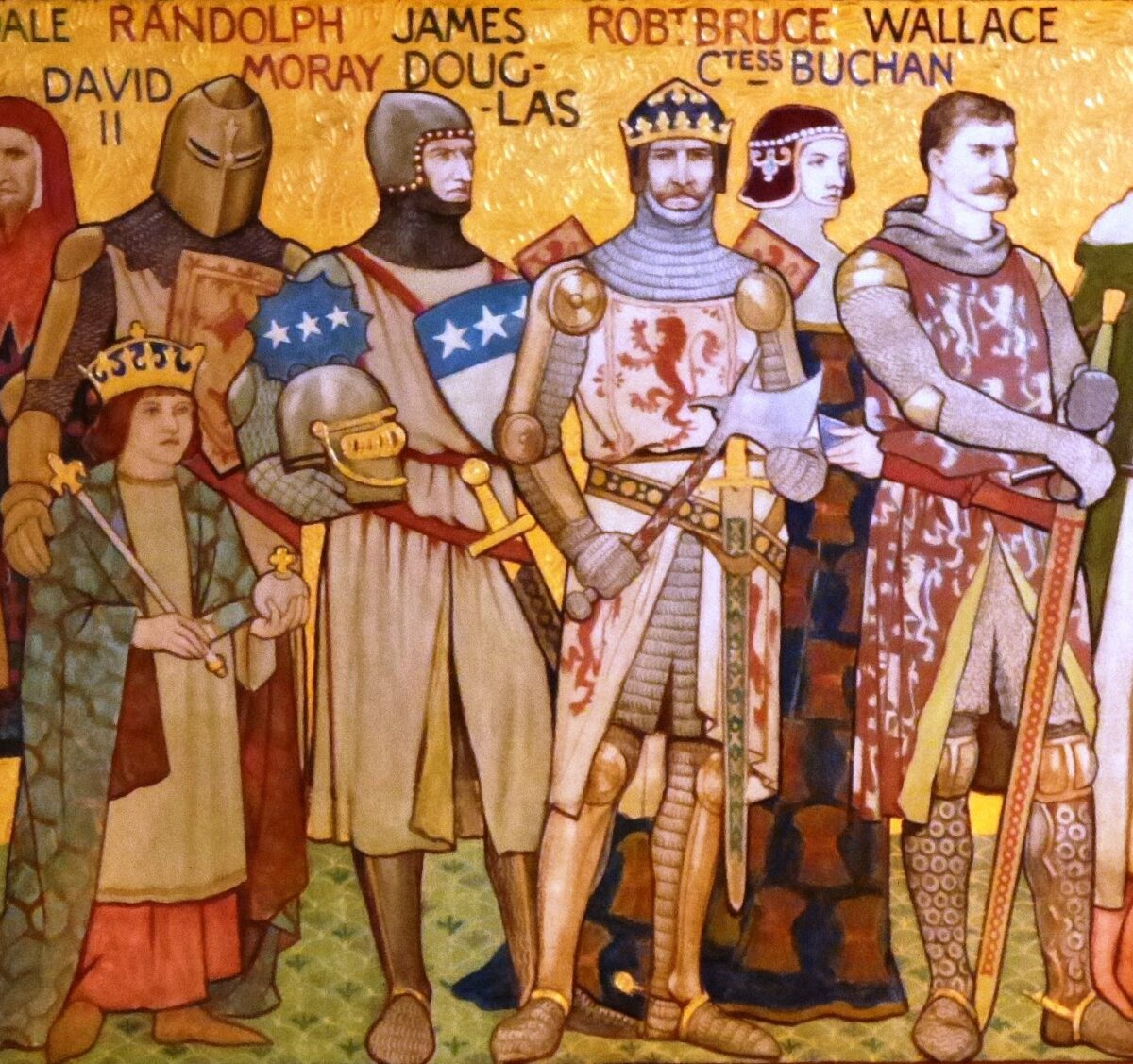
Scottish knights played a crucial role in shaping the medieval history of Scotland. Learn more about their bravery and fierce determination.
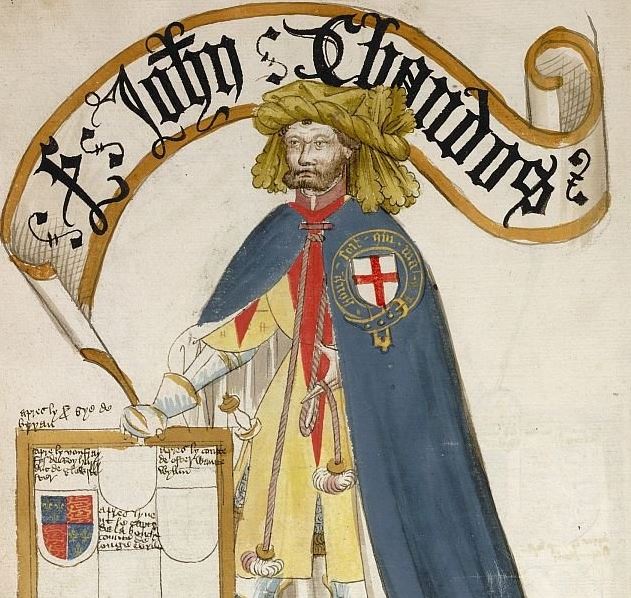
Sir John Chandos was a notable medieval knight and military commander who played a significant role in the Hundred Years’ War.
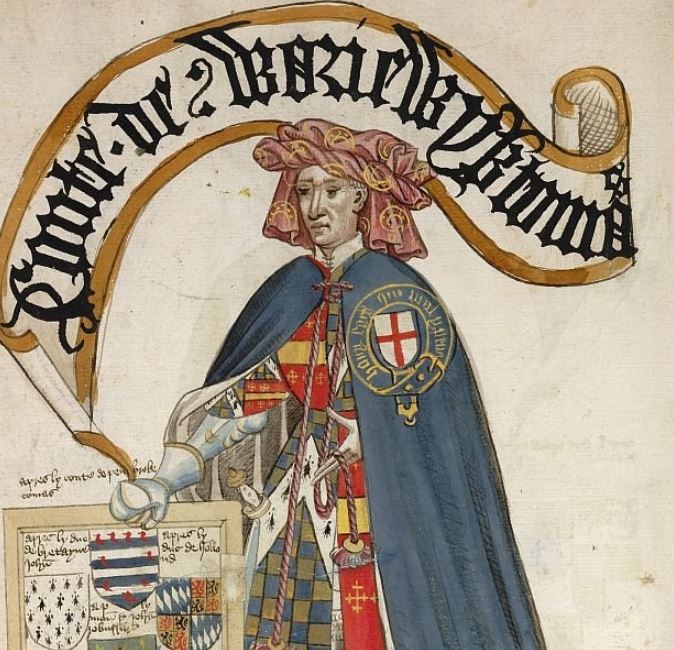
Sir Thomas Beauchamp, the Earl of Warwick, was a prominent figure in medieval England during the 14th century.
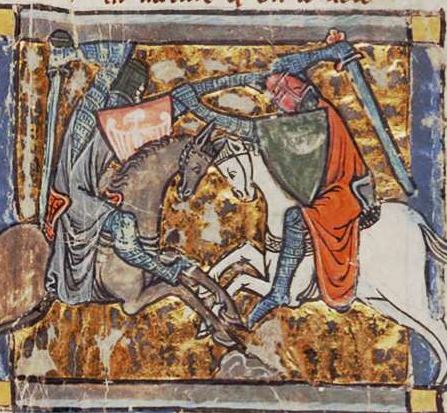
Sir Gawain was a legendary knight of the Round Table in Arthurian legend, renowned for his chivalry, valour, and loyalty.
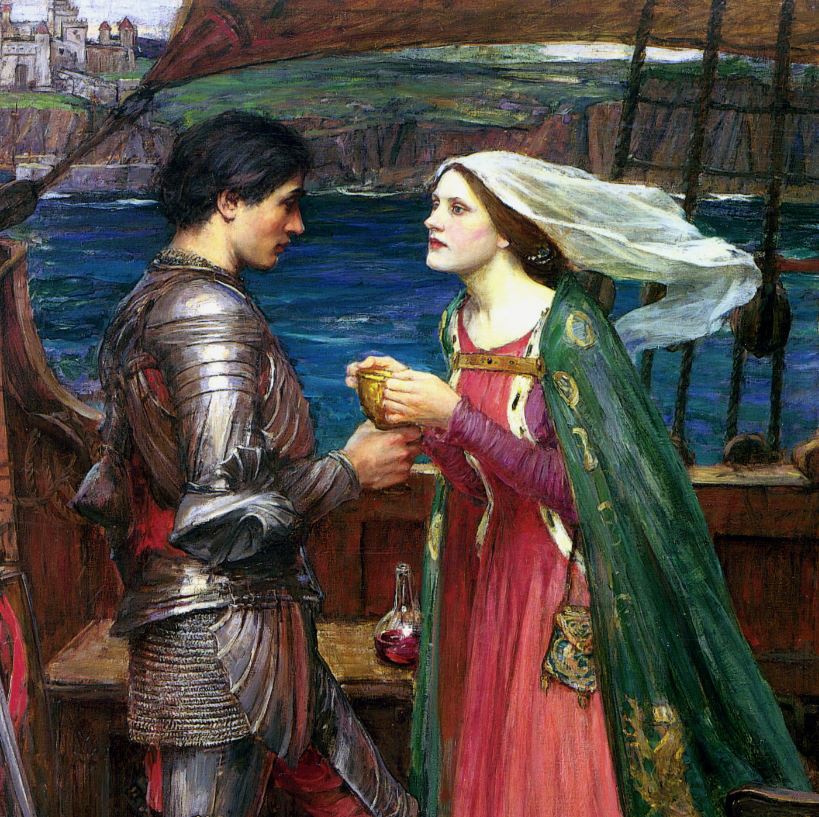
Learn more about English knights, from the storied battles of Hastings to the legendary exploits of King Arthur’s knights of the Round Table.