Medieval Castles
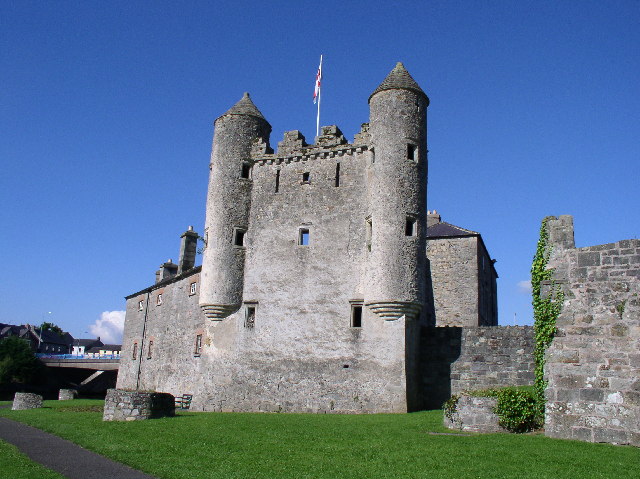
Enniskillen Castle
Enniskillen Castle was first built in 1428 and remodeled in 1609 and 1796.

Enniskillen Castle was first built in 1428 and remodeled in 1609 and 1796.
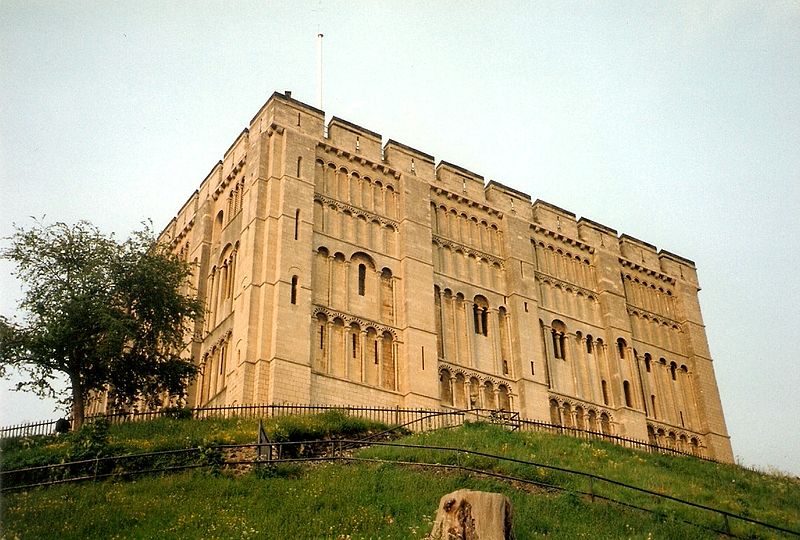
Norwich Castle is a motte and bailey medieval royal fortification built around 1066.
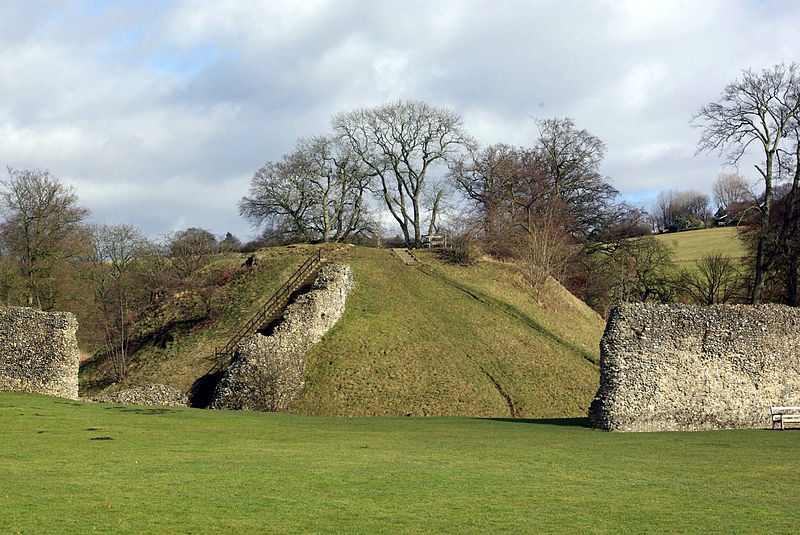
Berkhamsted Castle is a Norman motte-and-bailey castle built in the 11th century.
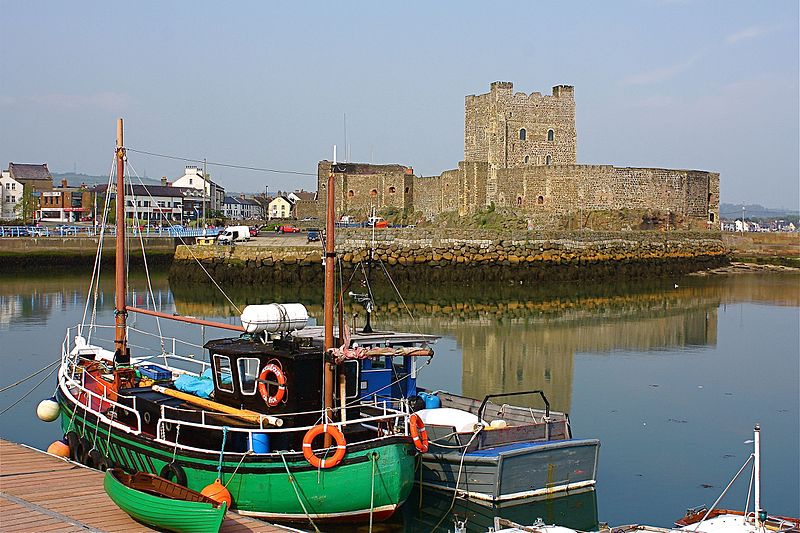
Carrickfergus sits on the north shore of Belfast Lough and is County Antrim’s oldest town
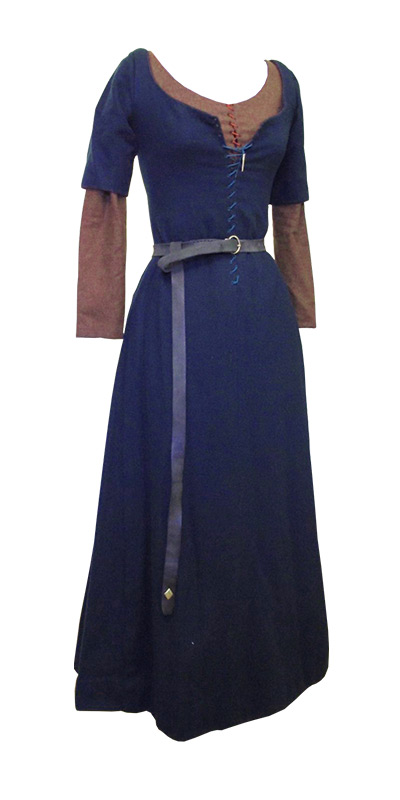
In the 11th century, women wore kirtles or dresses that were similar to men’s tunics.
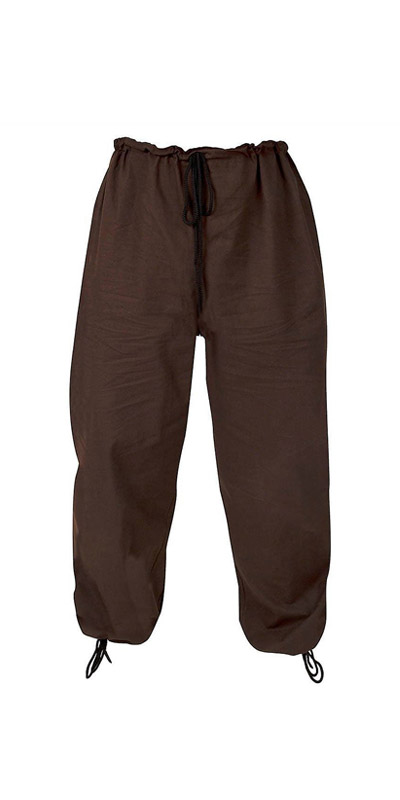
Medieval trousers or hose were traditionally worn under a short tunic or with a small cloak and were ankle-length.
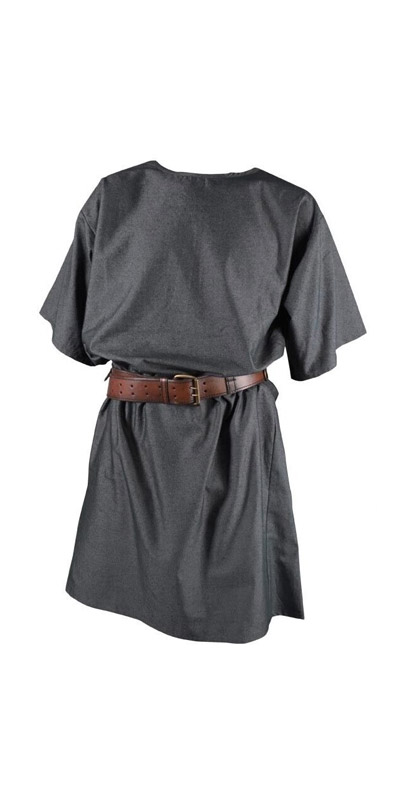
The tunic is a garment usually simple in style and reaching from the shoulders to the hips or knees.
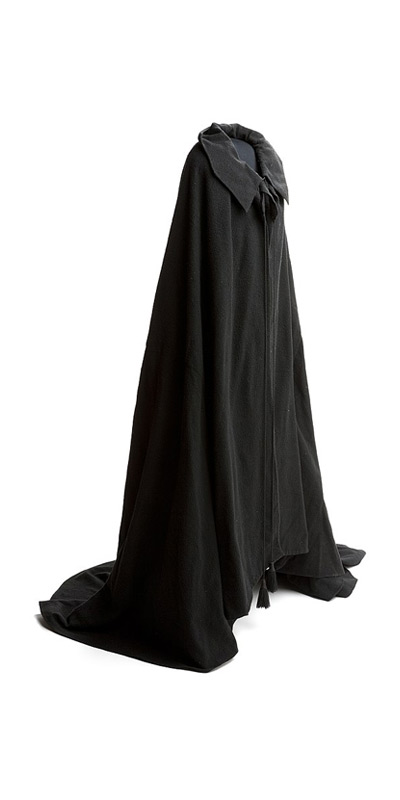
The Cloak was worn over indoor clothing and protected the wearer from the cold, rain or wind.
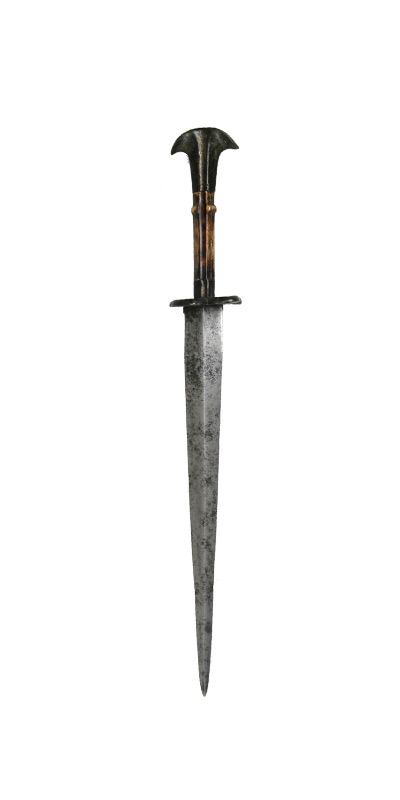
Daggers have a double-edged blade used for stabbing or thrusting in close combat.
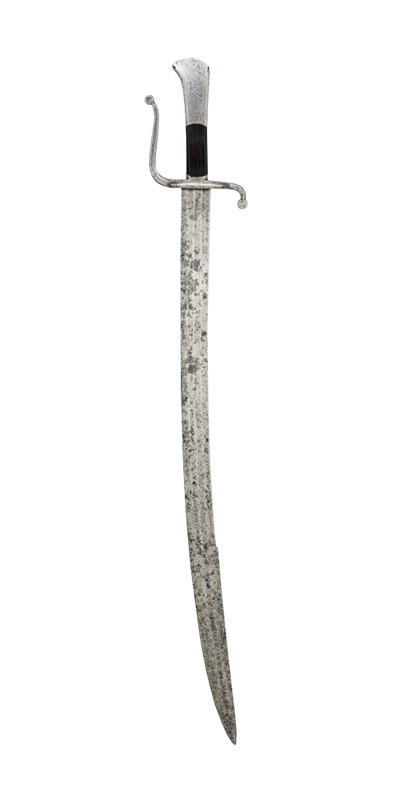
The Falchion is a one-handed, single-edged sword of European origin and reminiscent of the Persian scimitar.
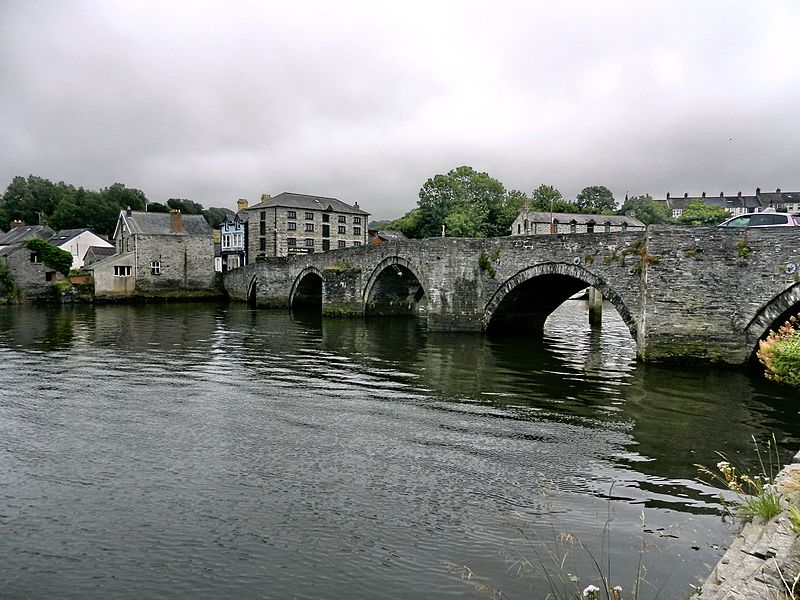
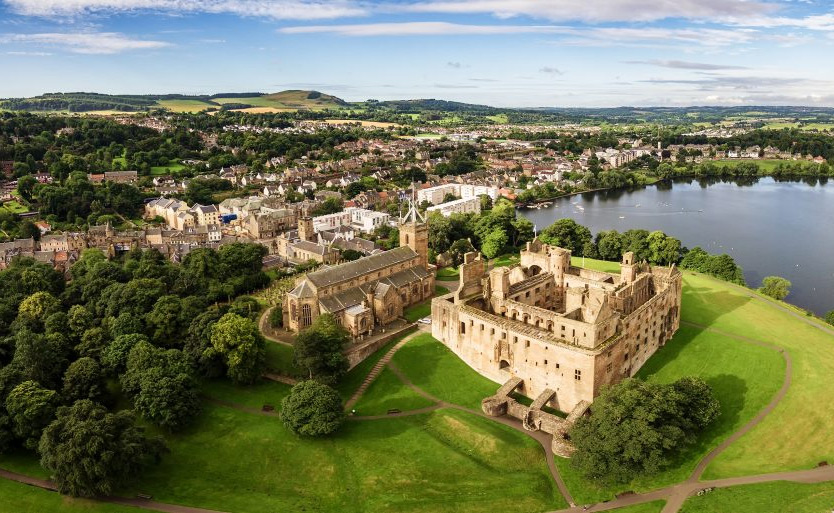
Linlithgow in West Lothian was once home to one of the great royal courts of Europe
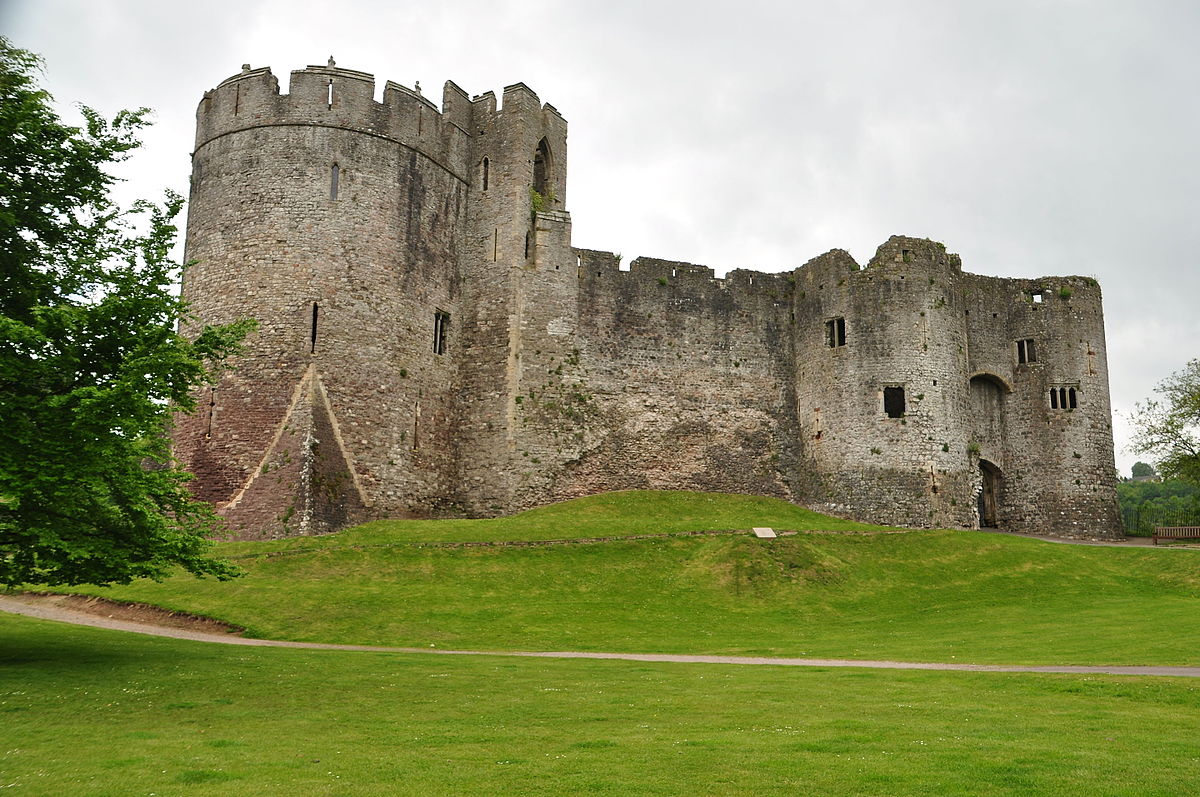
Chepstow Castle is the oldest surviving post-Roman stone fortification in Britain.
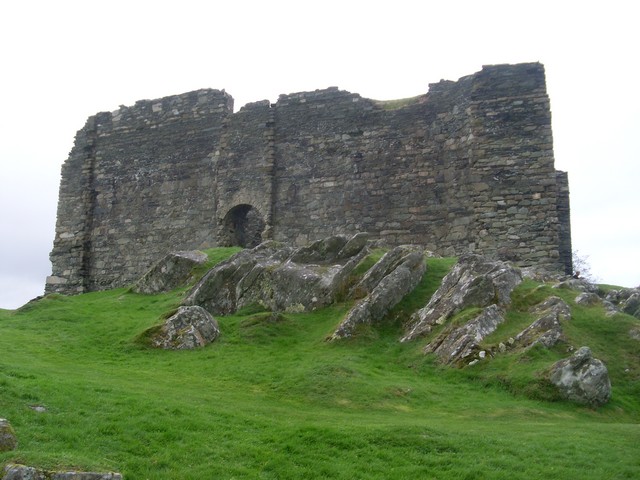
Castle Sween is located on the west coast of Argyll, Scotland and is thought to be one of the earliest.
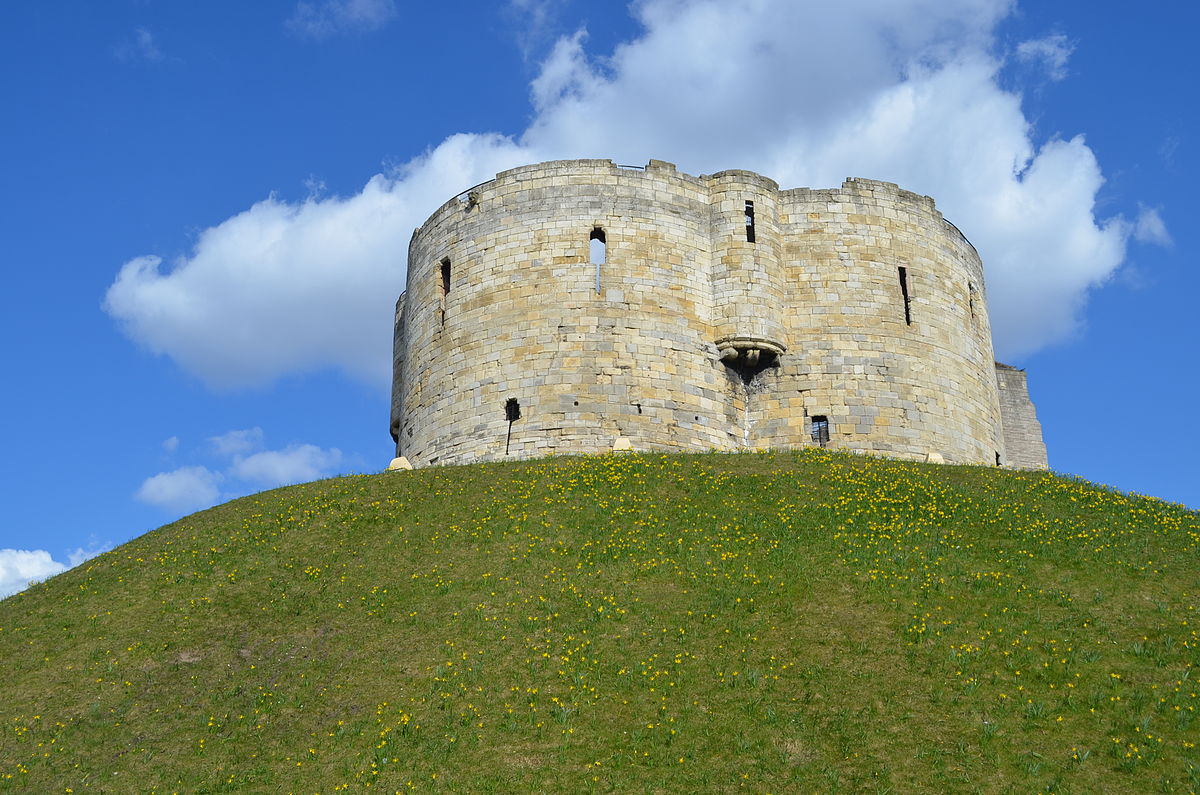
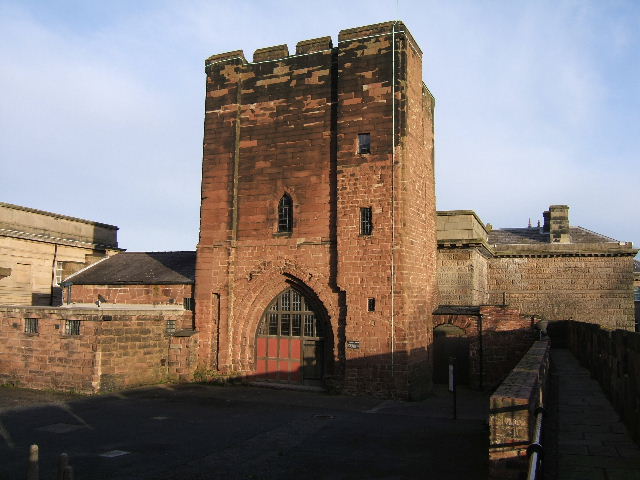
Chester Castle is sited at the southwest extremity of the area and bounded by the city walls.
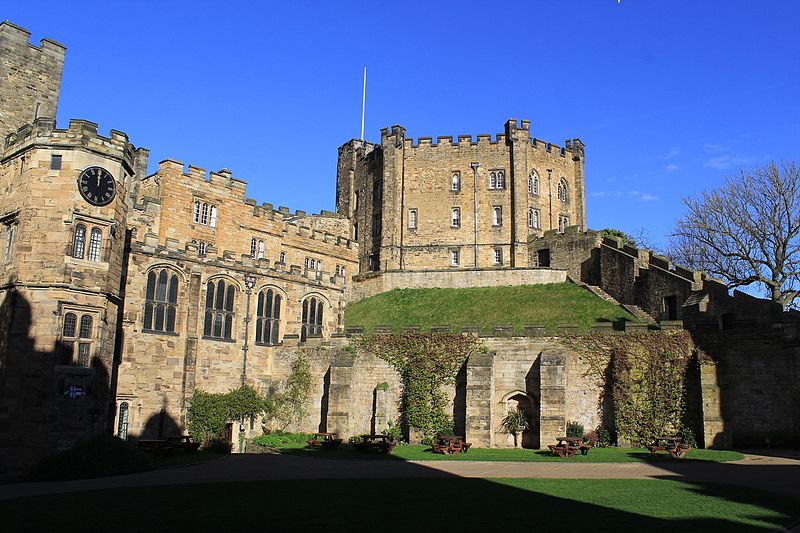
Durham Castle is a Norman castle built in 1072 under the orders of William the Conqueror.
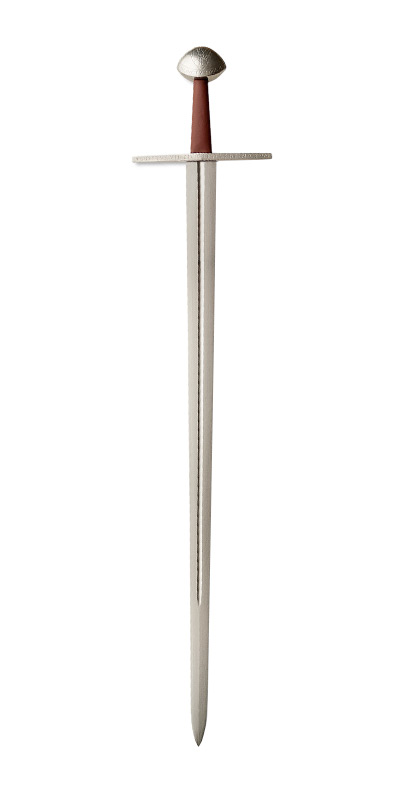
The Arming Sword (or knightly sword) is the single handed cruciform sword of the High Middle Ages.
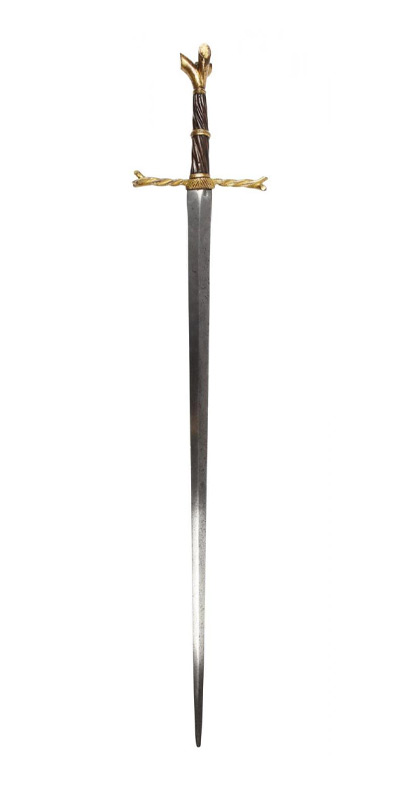
The Longsword is a type of European sword used during the late medieval period.
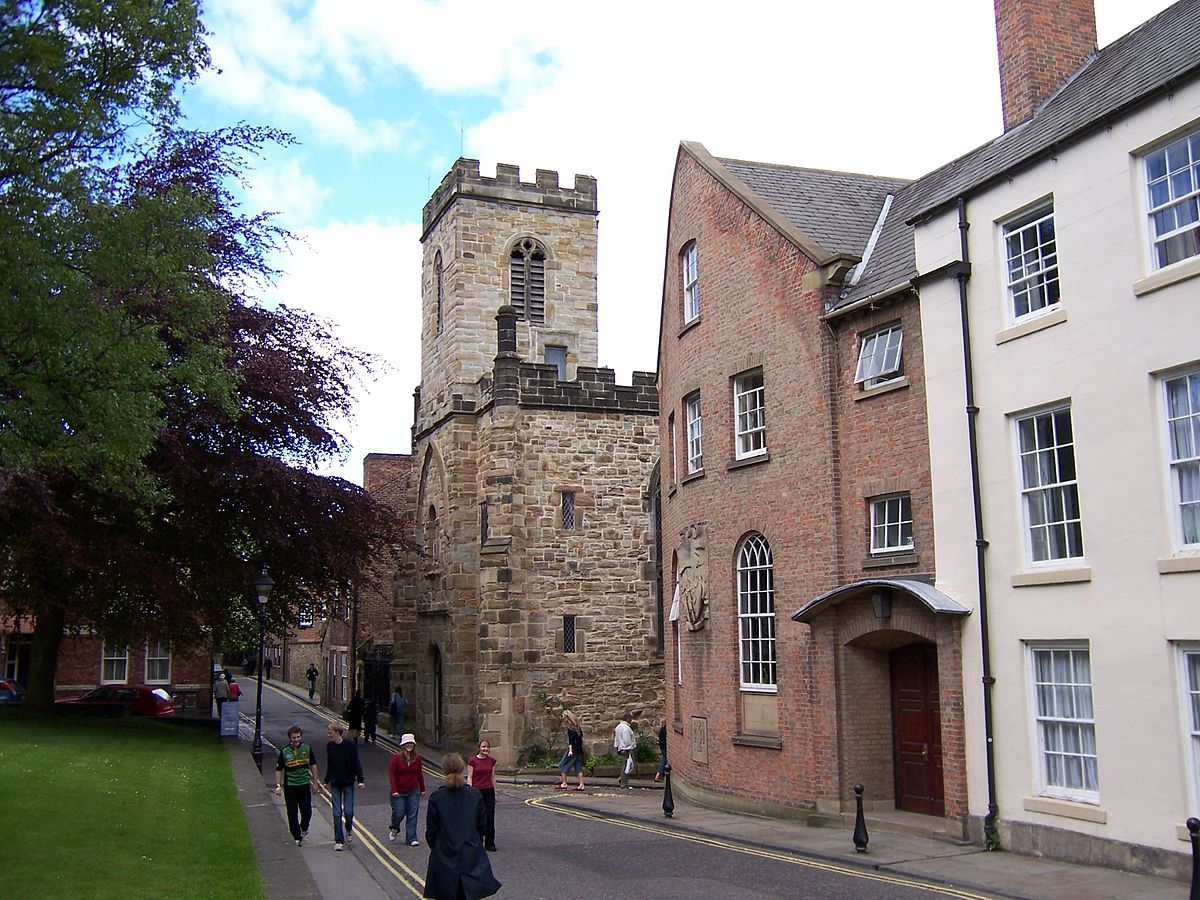
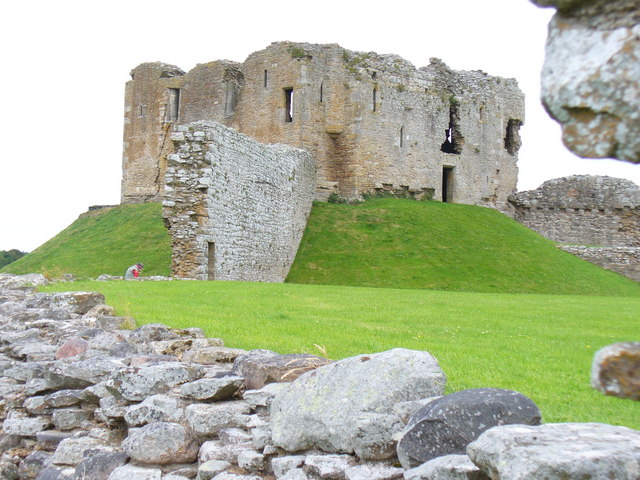
Duffus Castle was a Scottish motte-and-bailey castle in use from c.1140 to 1705.
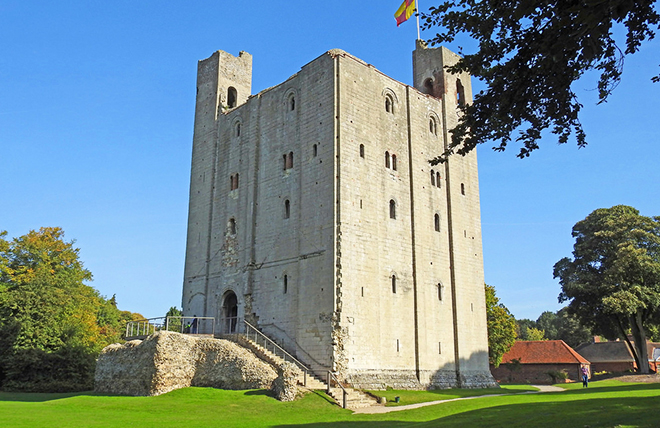
Hedingham Castle, built in 1100, is arguably the best preserved Norman keep in England.
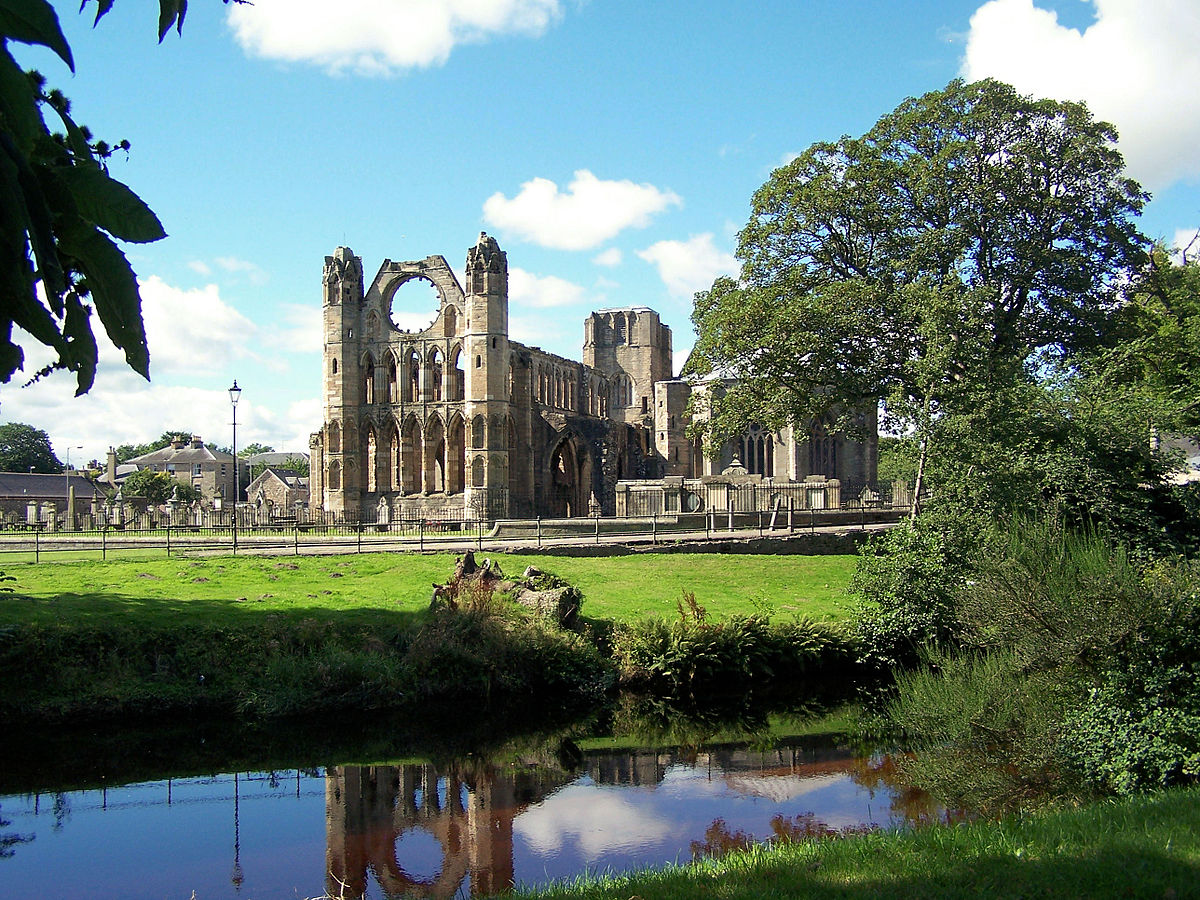
Elgin is a town and former cathedral city in Scotland, first documented in 1190 AD.
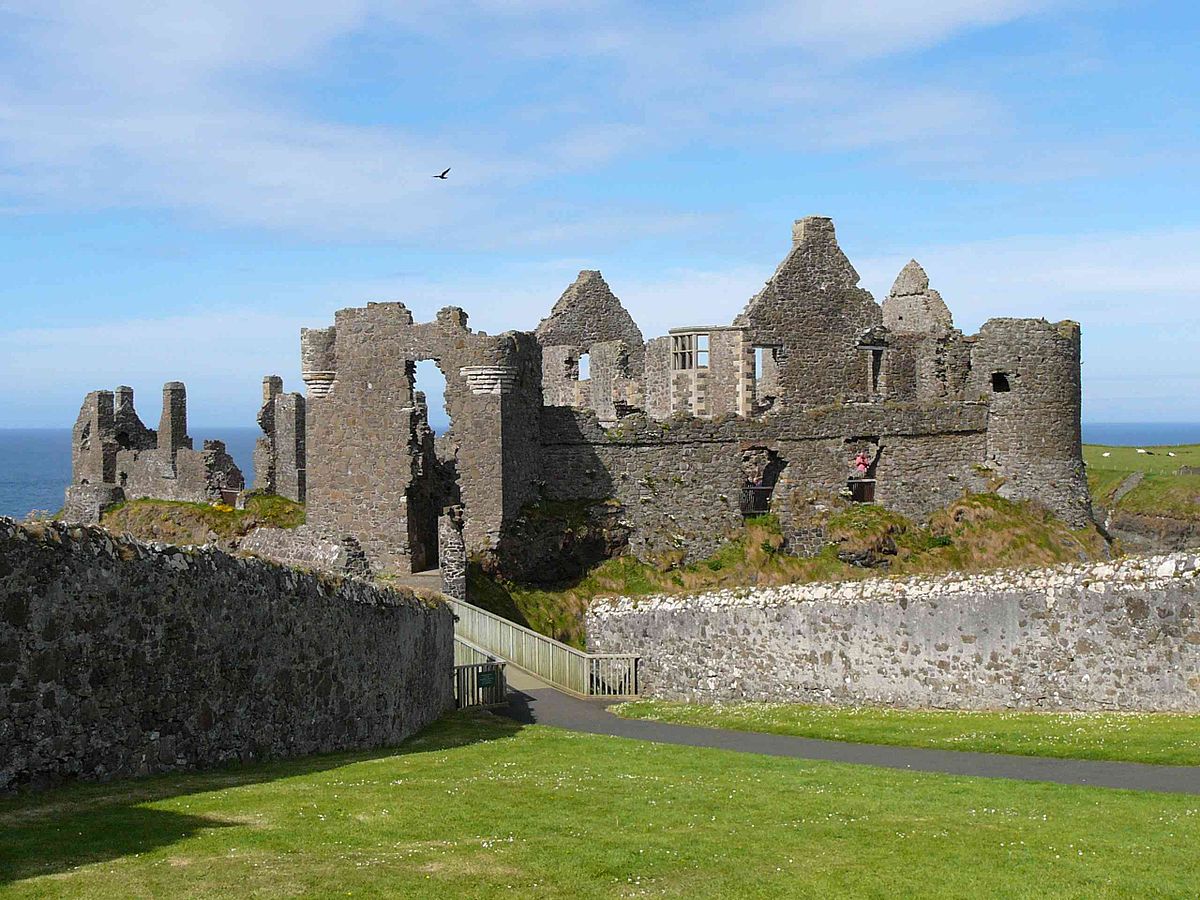
Dunluce Castle is ruined medieval castle in Northern Ireland, the seat of Clan McDonnell.