
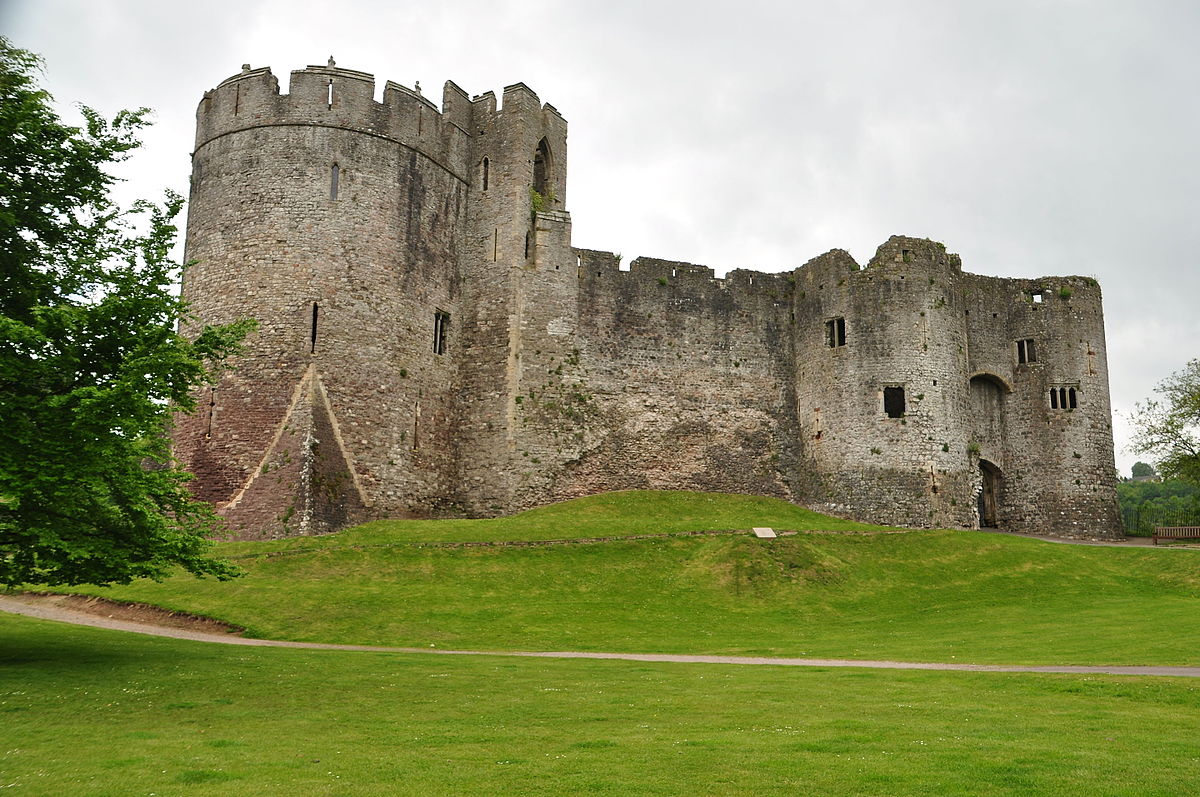
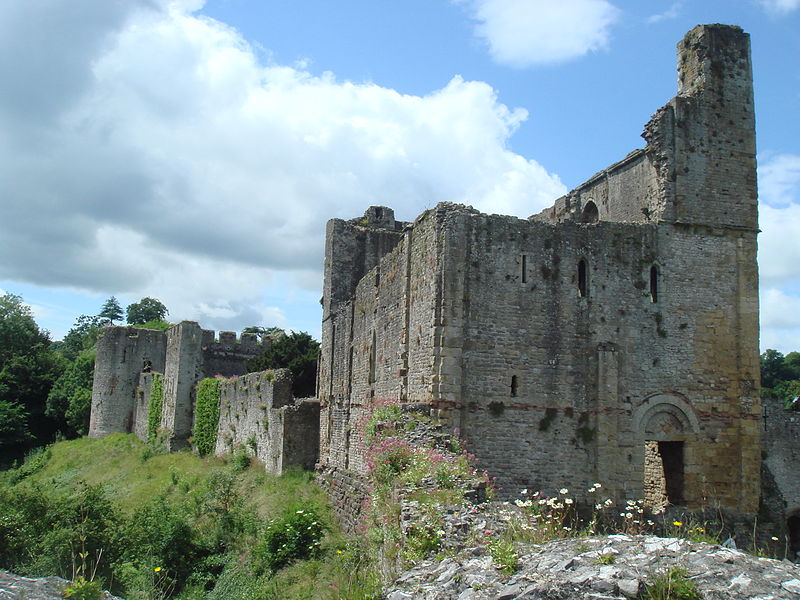
Chepstow Castle (or Castell Cas-gwent ni Welsh), located above cliffs on the River Wye, is the oldest surviving post-Roman stone fortification in Britain. Its construction began in 1067 under the instruction of the Norman Lord William FitzOsbern.
Chepstow was the southernmost of a chain of castles built in the Welsh Marches, and it was used in the conquest of Gwent. The speed with which William the Conqueror committed to the creation of a castle at Chepstow is testament to its strategic importance. The precipitous limestone cliffs beside the river afforded an excellent defensive location.
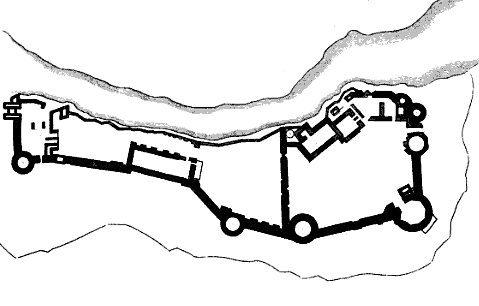
The castle is situated on a narrow ridge between the limestone river cliff and a valley. Even though it has four baileys, it is not a defensively strong castle, having neither a strong keep nor a concentric layout.
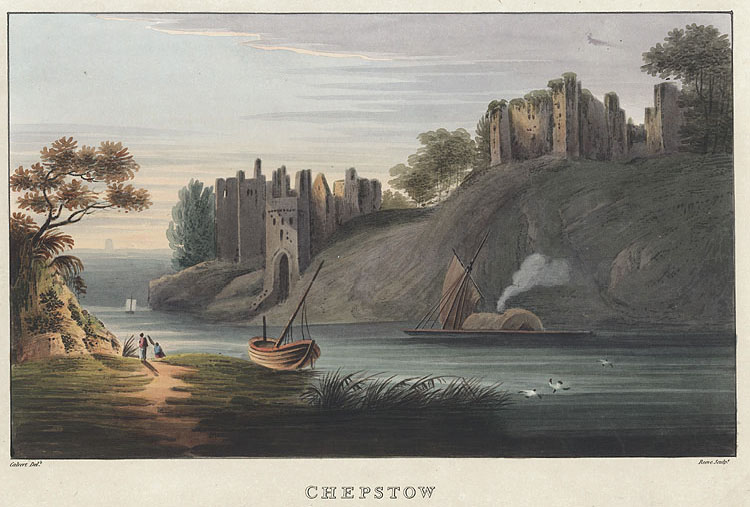
From the 14th century, the castle’s defensive importance declined. In 1682, the buildings were partly dismantled, leased to tenants and left to decay.
Visit Chepstow Castle
Facilities
Hours
10am – 4pm Monday – Saturday
11am – 4pm Sunday
Address
1 Bridge St, Chepstow NP16 5EY
Phone
01291 624065
Prices
| CADW Member – Join now | Free |
| Adult | £7.30 |
| Family* | £21.20 |
| Disabled and companion | Free |
| Juniors (Aged 5-17) / NUS / Armed Forces and Veterans | £4.40 |
| Seniors (Aged 65+) | £5.80 |
Location
Similar Castles

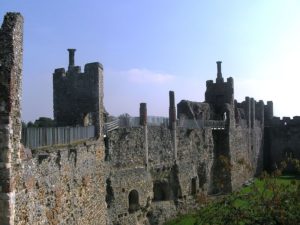
Framlingham Castle
Framlingham Castle has no central keep but a curtain wall with 13 towers.
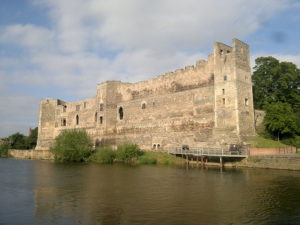
Newark Castle
Newark Castle is a 12th century castle by Alexander, Bishop of Lincoln.
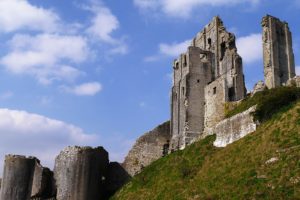
Corfe Castle
Corfe Castle is a ruined castle on the route between Wareham and Swanage.
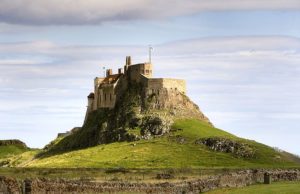
Lindisfarne Castle
Lindisfarne Castle is a 16th-century castle located on Holy Island.
More to see in Wales

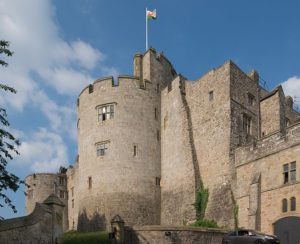
Chirk Castle
Chirk Castle is a Grade I listed castle built in 1295 near Wrexham, Wales.
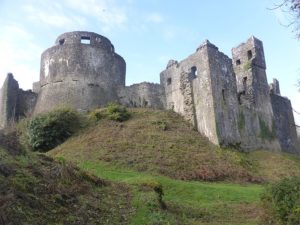
Dinefwr Castle
Dinefwr Castle is a ruined castle that was the chief seat of the Kingdom of Deheubarth.
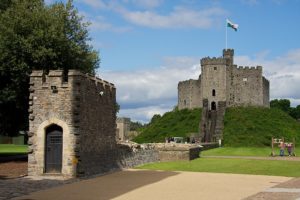
Cardiff Castle
Cardiff Castle is a medieval castle built in the late 11th century by Norman invaders.
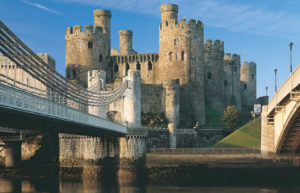
Conwy Castle
Conwy Castle is a fortification built by Edward I between 1283 and 1289.