
Bakers were essential in the Middle Ages.
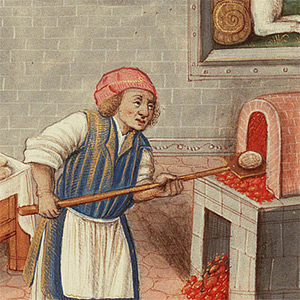
In medieval Europe, baking ovens were often separated from other buildings and sometimes located outside city walls to reduce the risk of fires. Ovens were expensive capital investments and required careful operation.
The production of baker’s goods was heavily regulated due to bread being an important staple food. For example, Henry III promulgated the Assize of Bread and Ale in 1267, imposing regulations such as inspection and verification of weights and measures and quality and price control.
History of Bakers
Baking is an ancient activity because grains have been a staple food for millennia. The ancient Greeks used enclosed ovens heated by wood fires, and communities usually baked bread in a large communal oven. Athenaeus described seventy-two varieties of bread! In ancient Rome, bakers used honey and oil in their loaves of bread (or pastries). Sometimes, they served exclusively for large households.
In Medieval Europe, bakers were often part of the guild system; master bakers instructed apprentices and were assisted by journeymen. A fraternity of bakers existed in London as early as 1155, and the Worshipful Company of Bakers was formed by charters dated 1486, 1569, and 1685.
Preservatives were not available to keep bread fresh for long periods of time, so during famine periods, it was common for the monarchy to force bakers to make bread available at below-market prices (or simply confiscated them) to prevent their populace from starving. Guilds were established to prevent bakers from finding themselves without bread for them and their families.
Making Bread in the Middle Ages
Making bread required, first, the acquisition or growth of the grain. Some peasants were paid in grain for their labour, while others grew their own or bought it. It then had to be separated from the chaff and ground, which usually meant using their lord’s mill or taking it to a miller to grind it for a fee.
Once it was ground into flour, the grain could finally be made into dough. The yeast used for creating the bread frequently came from beer. It was then time to bake it – which required an oven. Some places had communal ovens (also for a fee), and it was also possible to bake the bread in the embers of a fire – which could be successful as long as it was turned frequently.
For town bakers, the prices were usually fixed by law. Because ovens were large and gave off a lot of heat, these were often built in separate buildings. The bread was pushed inside the oven using long-handled paddles. Because the oven could never be completely cleaned after a fire, most bread ended up with the bottom being black. In a manor, this part would be sliced off and given to the lowlier members of the house.
Types of Medieval Bread
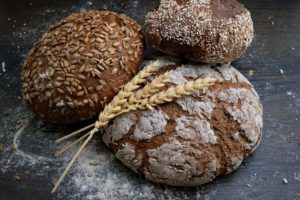
Practically everyone ate bread in medieval times, but definitely not the same type of bread! The type of grain depended on the different crops available to parts of the country – as wheat could not be grown everywhere (it required good soil). In consequence, bread was also frequently made combining oats, rye, and barley.
The loaves of bread could significantly vary in size, color, shape, and texture – sometimes depending on the client (hence the names “king’s loaf,” “squire’s loaf,” etc.). Below are some of the most common varieties.
Unleavened Bread
Middle Ages bread was generally unleavened bread. The use of yeast was not widespread until later in the Renaissance period. This type of bread was dense and difficult to digest, so it was baked thin and used as plates to hold the rest of the meal. As the juices from the meal soaked through the bread, it became more flavorful and easier to eat.
White Bread
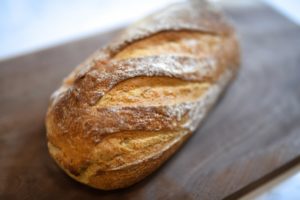
White bread, or Pandemain, was considered “less contaminated” and was the one preferred by wealthier people. This type of bread was made from wheat flour that was finely ground and sifted. Another type of white bread was Wastel, which was not as tended to as Pandemain.
Rye and Barley Bread
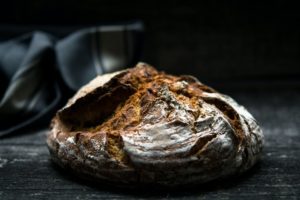
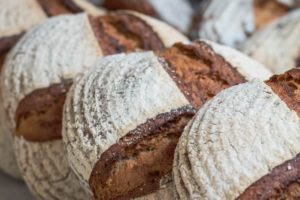
Peasants ate rye or barley bread, which was usually coarsely ground and had a darker brown color. Oats and barley were preferred ingredients for bakers of the north and west of England. When rye was mixed with wheat it could produce Maslin bread. A simple bread made of all rye will not rise as high as wheat bread but will be moister and have a substantially longer shelf life.
Combined Bread
There were plenty of bread varieties that were made combining grains and other ingredients. These tended to be cheaper – and generally not as appetizing. Cheat was made from whole wheat without bran, and Tourtle from husk and flour. Trenchers were usually made of Tourtle, and were slices of stale bread that could be used as plates. After the meal, the trenchers were sometimes given to the poor. Horse bread could be made from any grain and usually included peas and beans.
Biscuits and Crumbs
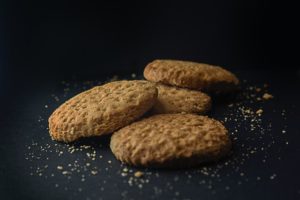
Biscuits were also created in the Middle Ages by baking bread twice, which left it crispy, flaky, and easy to preserve. They were considered ideal for long travels, war, and for storing them for winter months.
Breadcrumbs were used in many medieval recipes to thicken sauces and stiffen custard. And, if they were combined with spices and honey, they could be baked into gingerbread.
Books about Medieval Life
More Medieval Occupations

Medieval Minstrel
Medieval minstrels sang, played musical instruments, and told engaging stories. Here’s what life was like for a minstrel in the Middle Ages.
Medieval Miller
Millers were some of the most important tradesmen in the Middle Ages. Learn more about this medieval profession and how millers lived.
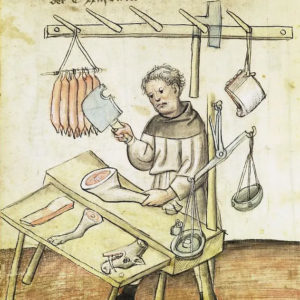
Medieval Butcher
Middle Ages butchers prepared meat, fish, and fowl for the people in a castle or a city. They sometimes had stalls in a marketplace.
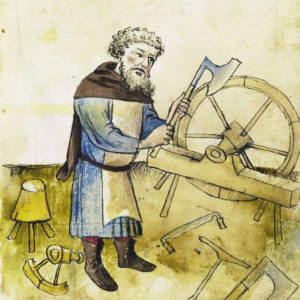
Medieval Wheelwright
Medieval candlemakers made candles from materials such as fat, tallow and beeswax.
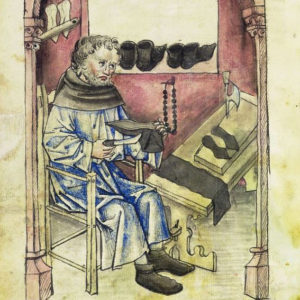
Medieval Shoemaker
Medieval candlemakers made candles from materials such as fat, tallow and beeswax.
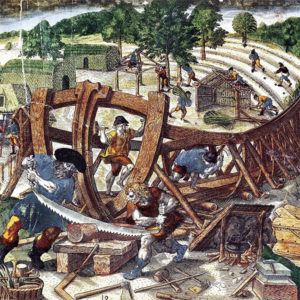
Medieval Shipwrights and Shipmaking
Being a sailor in the middle ages meant living a lonely and difficult life, as they would often set sail for months or even a year at a time.