
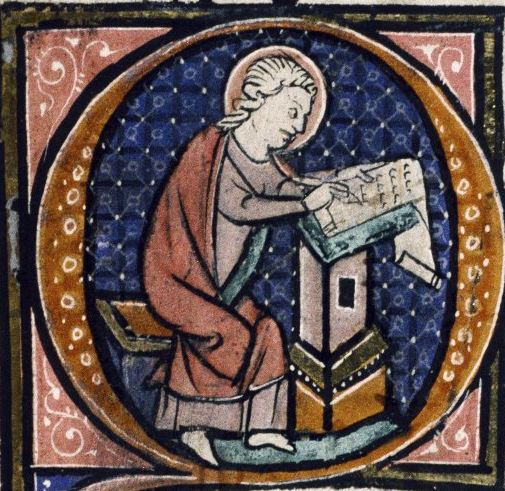
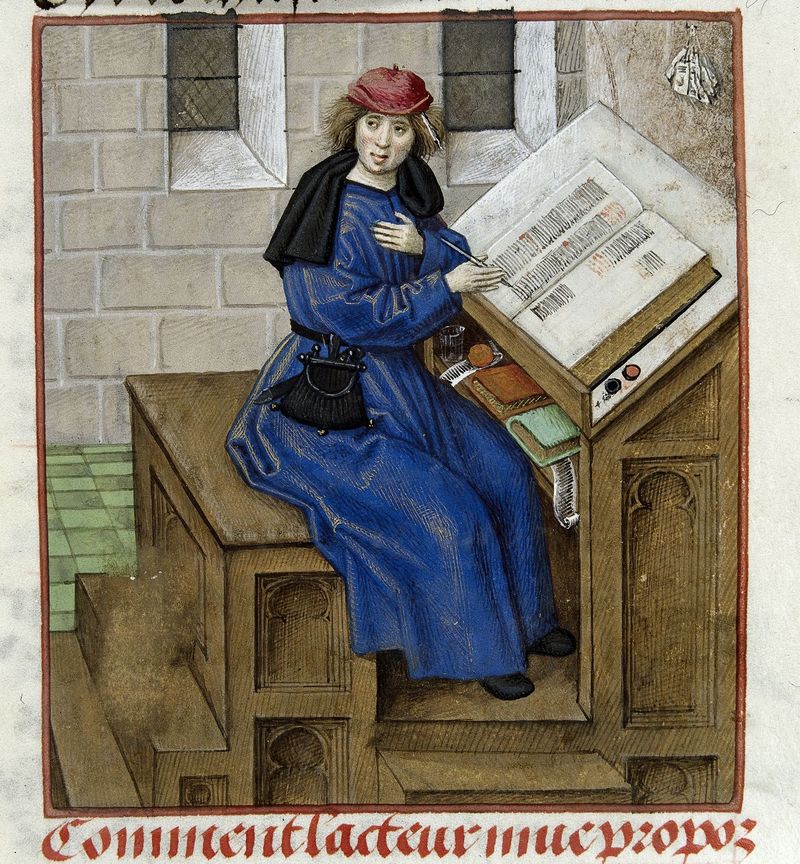
Medieval scribes made copies of manuscripts. In the Middle Ages, all books were made by hand. Specially trained monks carefully cut sheets of parchment, made the ink, wrote the scripts, bound the pages, and created the covers.
Most of these activities were carried out in a scriptorium, a room which was usually kept quiet for better concentration. Large scriptoriums could house about 40 scribes.
medieval scribes began work with the morning bells before dawn and worked until the evening – making a lunch break in between. The main purpose of their work was to promote the ideas of the Christian Church.
The First Scribes
In Ancient Egypt, persons educating in writing were amongst the most important professionals. Sons of scribes were brought up in the same scribal tradition and inherited their fathers’ position upon entering the civil service. Egyptian scribes supervised the construction of buildings, carried out administrative and economic activities, and documented the stories of the lower classes and foreign lands. Scribes did not pay taxes and were not conscripted into the army. They were also exempt from physical labour.
Scribes in Ancient Israel were also distinguished professionals who exercised functions similar to today’s lawyers, journalists, judgers, and financiers. Sofers still do their trade by hand today, producing the Hebrew Torah scrolls and other holy texts.
Medieval Scribes
Medieval scribes were required to copy works in Latin, Greek, and Hebrew (regardless of whether they understood the language). These time-consuming texts were often written in careful calligraphy and featured illustrations.
Scribes had to make sure the lines were straight and the letters the same size throughout an entire book. Typically, it took about fifteen months to copy a Bible. The process was, overall, quite expensive and costly for books to become widespread.
The Materials of a Scribe
Parchment or Vellum
Parchment or vellum was made from treated hides of sheep, calves, or goats. The hides usually came from the Monastery’s own animals, which were raised self-sufficiently alongside crops and beer. The thicker animal skin, dried under tension, was called parchment. The equivalent material made of calfskin and of finer quality was vellum. The word parchment evolved from the name of the city of Pergamon, which was the thriving centre of parchment production during the Hellenistic period.
Candles
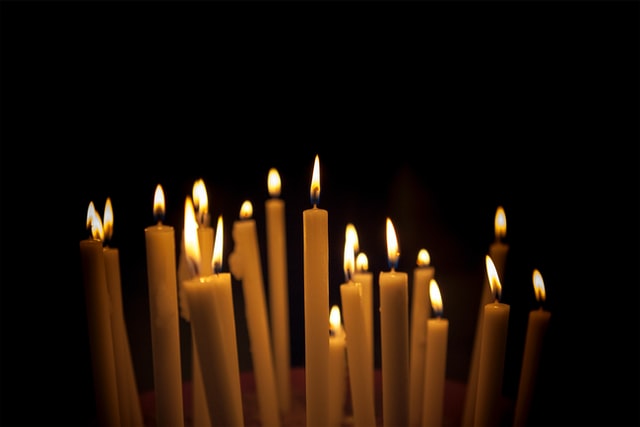
Candles were important to produce at a rhythm of three to four pages a day. Candles were however expensive, and most scribes might have works exclusively during the day. (More about candle makers here)
Ink and Quill
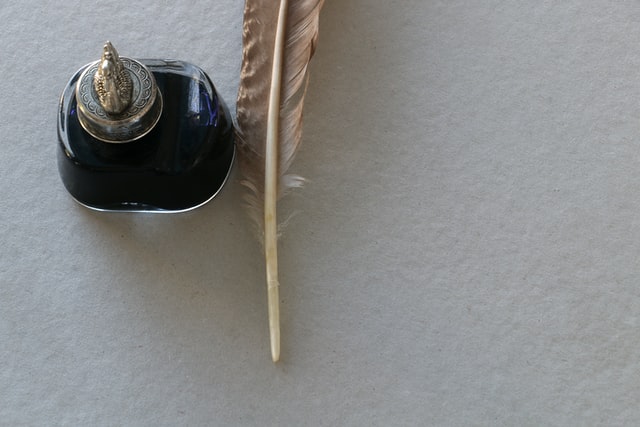
In the scriptorium, ink was held in inkhorns. Some depictions of evangelists in the Carolingian Gospel Books show these on a separate stand beside the desk – perhaps a precaution in case the ink bottle was knocked over. sometimes, the horns were fitted into a vertical row of holes in the surface of the desk. There were several recipes for making ink but most of them used charcoal or lamp-black mixed with gum, or iron gall – which was created mixing a solution of tannic acids with ferrous sulphate.
Books about Medieval Life
More Medieval Occupations

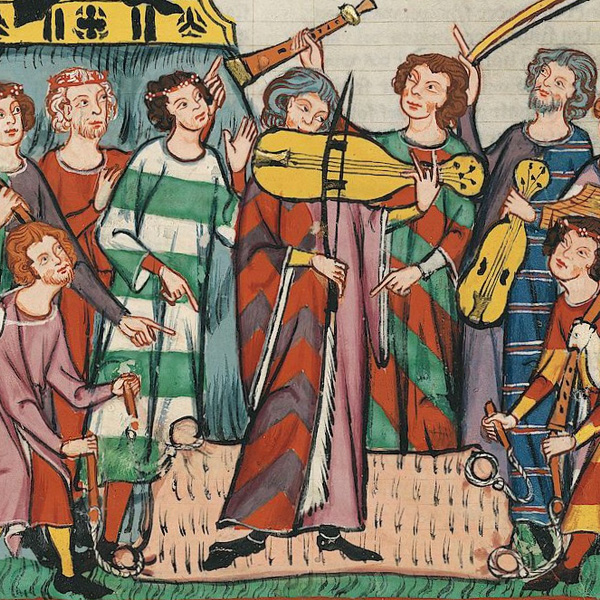
Medieval Minstrel
Medieval minstrels sang, played musical instruments, and told engaging stories. Here’s what life was like for a minstrel in the Middle Ages.
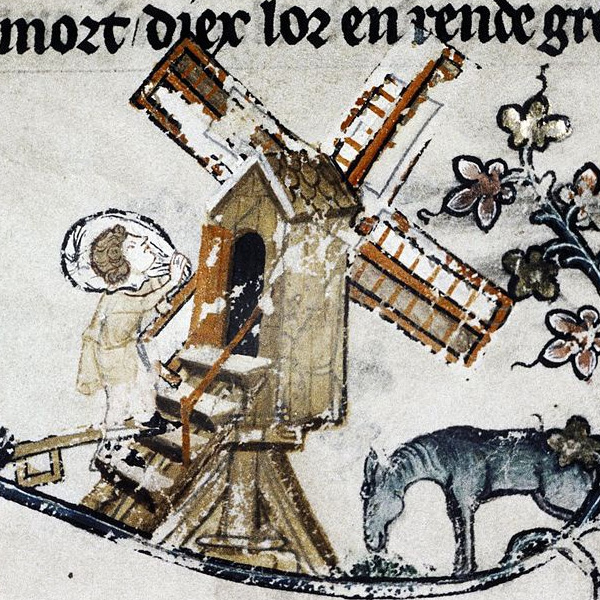
Medieval Miller
Millers were some of the most important tradesmen in the Middle Ages. Learn more about this medieval profession and how millers lived.
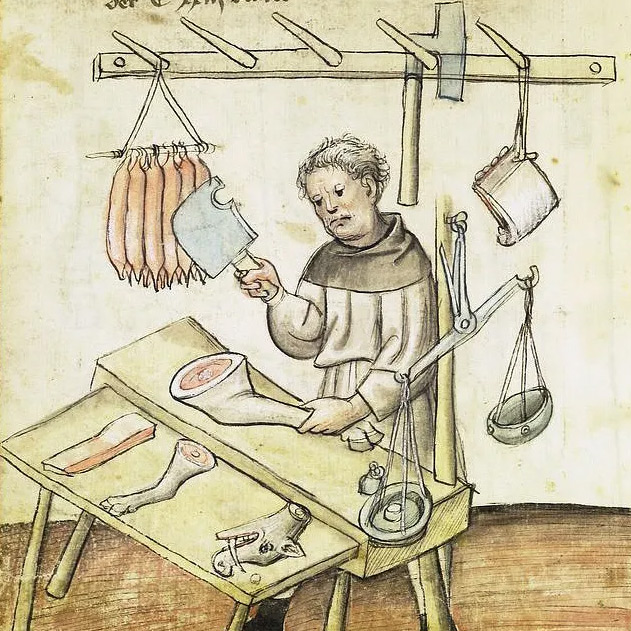
Medieval Butcher
Middle Ages butchers prepared meat, fish, and fowl for the people in a castle or a city. They sometimes had stalls in a marketplace.
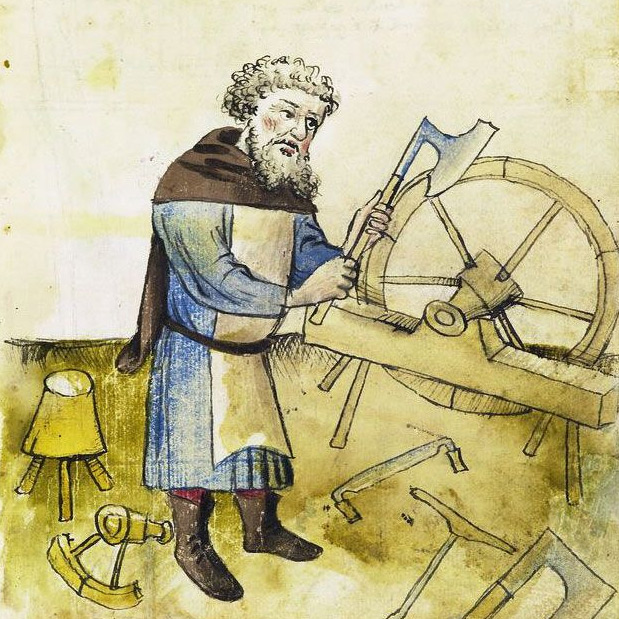
Medieval Wheelwright
Medieval candlemakers made candles from materials such as fat, tallow and beeswax.
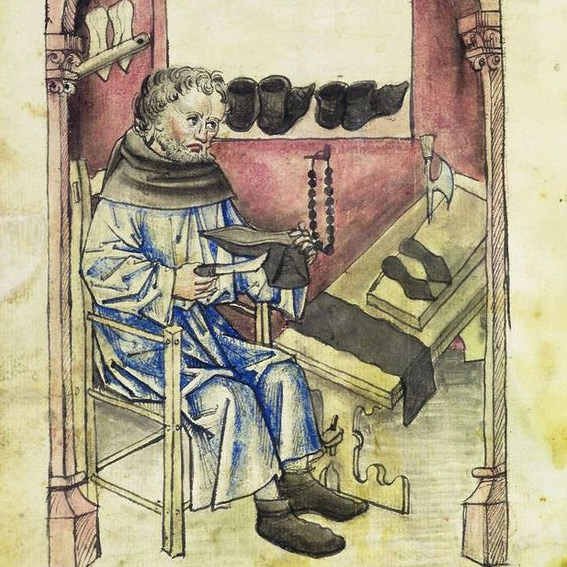
Medieval Shoemaker
Medieval candlemakers made candles from materials such as fat, tallow and beeswax.
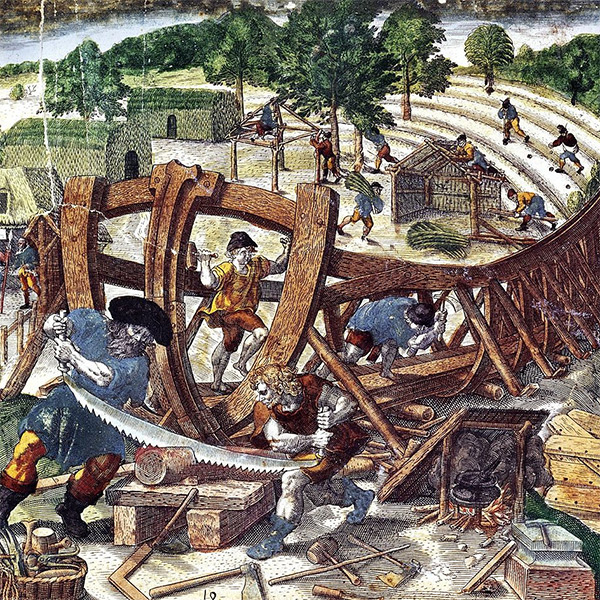
Medieval Shipwrights and Shipmaking
Being a sailor in the middle ages meant living a lonely and difficult life, as they would often set sail for months or even a year at a time.