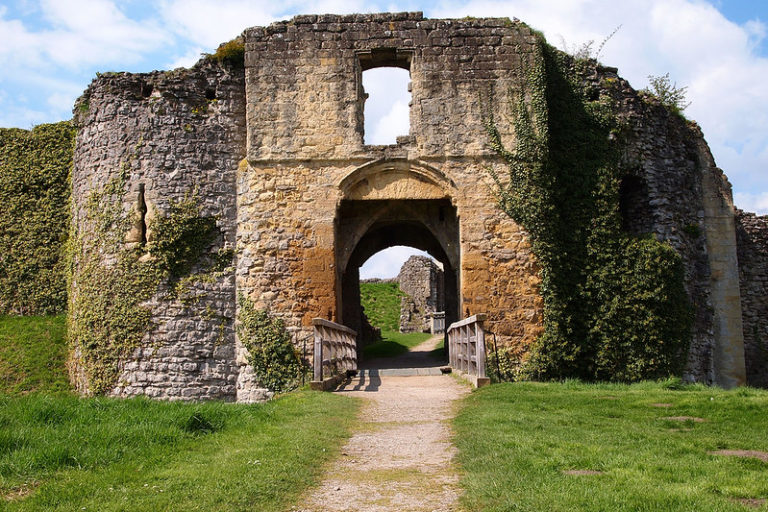
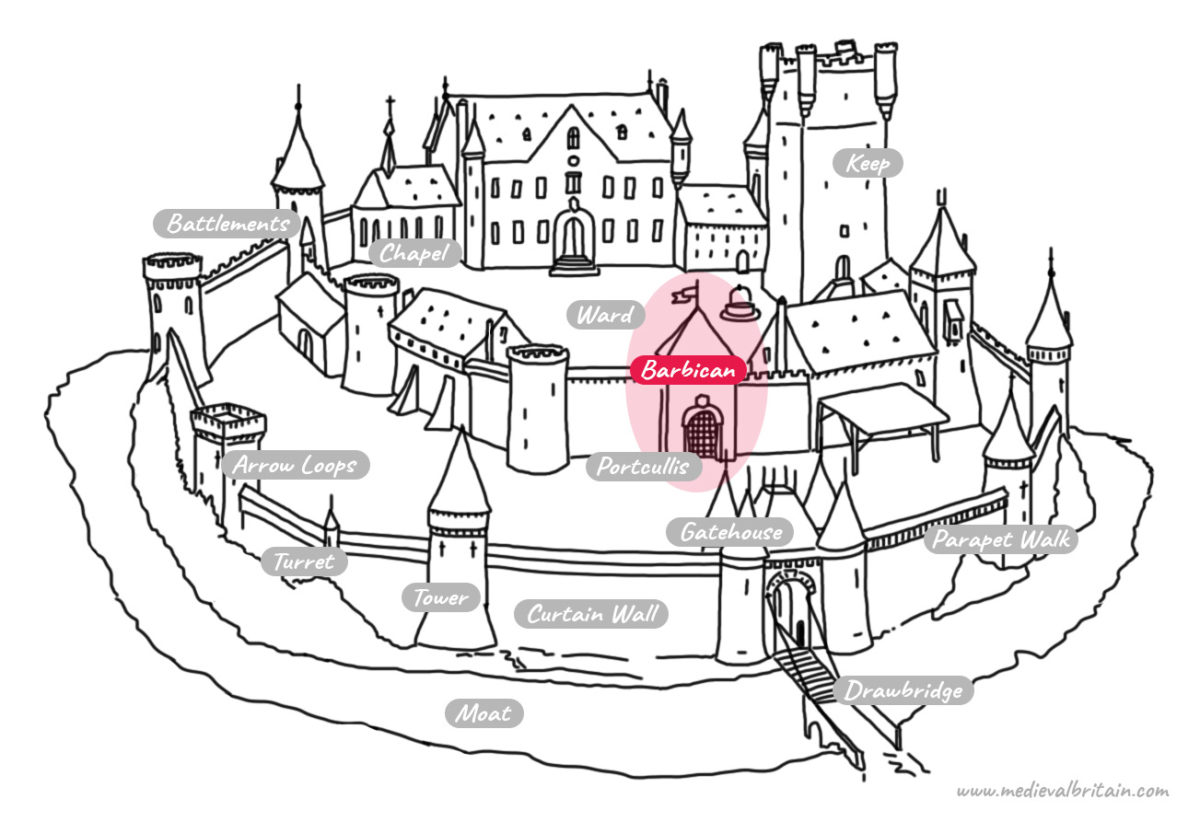
A castle’s barbican is a fortified outpost or gateway that works as an outer defense perimeter or second barrier. In medieval times, the barbican was set in front of the main castle walls and connected to them through a neck.
In many cases, barbicans formed part of a castle gatehouse complex. They acted a sort of funnel that could trap attackers in a narrow space – so they could be attacked by nearby towers.
Barbicans began to lose their significance around the 15th century, with the improvement of artillery and siege tactics.
The castle’s barbican served as a first line of defense. The neck, a walled road, connected the barbican with the castle walls and was kept narrow to trap invading enemies. It was usually located next to the main gates, just a few meters from the castle.
A limited number of men were responsible for defending the castle from the barbican. Usually, a single knight controlled a handful of soldiers.
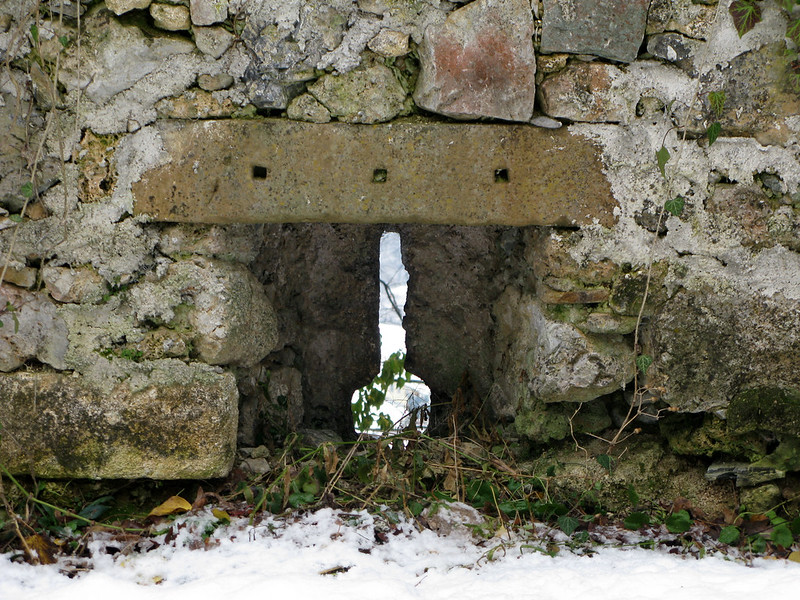
On top of the barbican, there were usually “murder holes“, openings in the ceiling that could be used to drop boiling liquid and missiles on the invading enemy. Some barbicans also had narrow slits on the sides from which defenders could shoot arrows and a heavy grilled door. This door (the Portcullis) had spikes and could be dropped on the enemy, injuring the attackers and blocking the passageway into the castle.
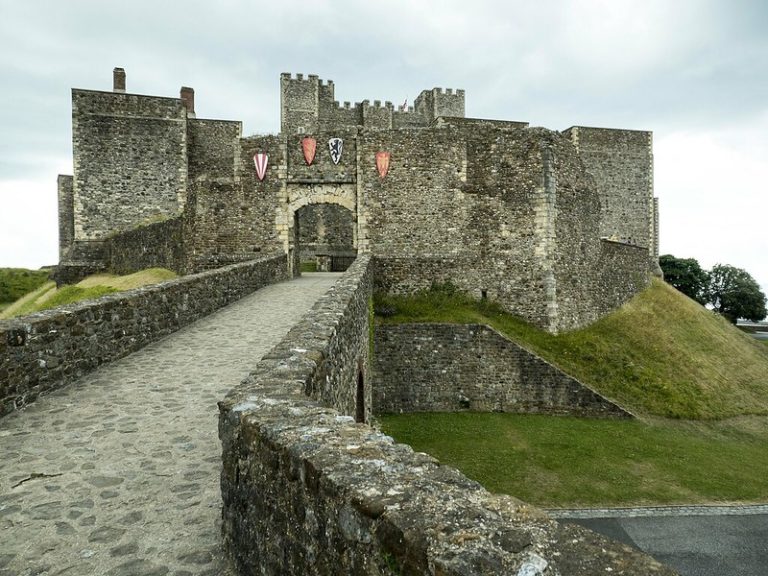
A barbican at Dover Castle. CC image courtesy of sctkirk and Flickr Commons.
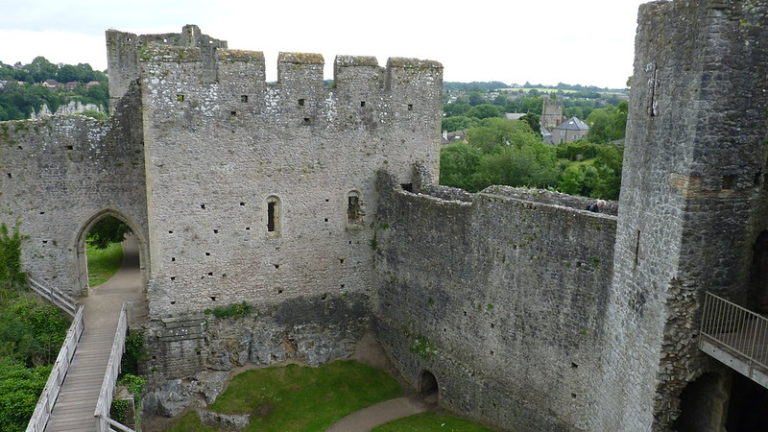
A barbican at Chepstow Castle. CC image courtesy of Damian Entwistle and Flickr Commons.