
Scold’s Bridle (Punishment Mask)

Medieval Torture Devices: Scold’s Bridle (Punishment Mask)

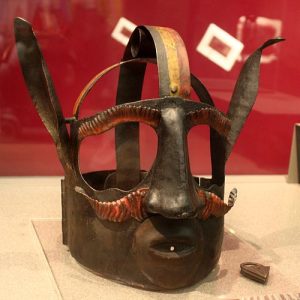
The Scold’s Bridle (also called the brank) was an iron restraint device used mainly between the 16th and 18th centuries. It was designed to punish people—most often women—accused of being “scolds” (argumentative or outspoken), gossipers, nagging wives, or publicly disruptive. It was not primarily meant to kill, but to humiliate, silence, and control.

The scold’s bridle was typically an iron cage-like mask placed over the head and locked behind the neck. Many versions included a cruel feature, such as a tongue plate or spike, a flat iron piece, or sometimes a sharpened projection or pressed down on the tongue. This meant that speaking caused pain, injury, or bleeding.

The Scold’s Bridle in Medieval Times

Despite its reputation as “medieval,” it was mostly early modern, not high medieval. For example, Scottish towns often kept an official bridle as part of civic punishment equipment.

The punishment was usually public. A victim might be:

  • Forced to wear the bridle in the street
  • Paraded through town
  • Locked in place for hours
  • Mocked or assaulted by crowds

This combined physical suffering, psychological terror, and social disgrace. Ultimately, the goal was not interrogation but public obedience. The scold’s bridle wasn’t about torture chambers—it was about punishing women for speaking.

That’s why it’s so chilling: it was normal law enforcement, not secret cruelty.

Was the Scold’s Bridle Torture Real?

Yes — completely real and documented. Unlike many sensational “torture museum” devices, scold’s bridles survive in museums, town collections, and written civic records. They were, in fact, part of official punishment systems, not legend.
The scold’s bridle wasn’t about extracting confessions. It was about public humiliation, social discipline, silencing speech, and enforcing gender roles. It shows how punishment could be as much about shame and control as physical pain.

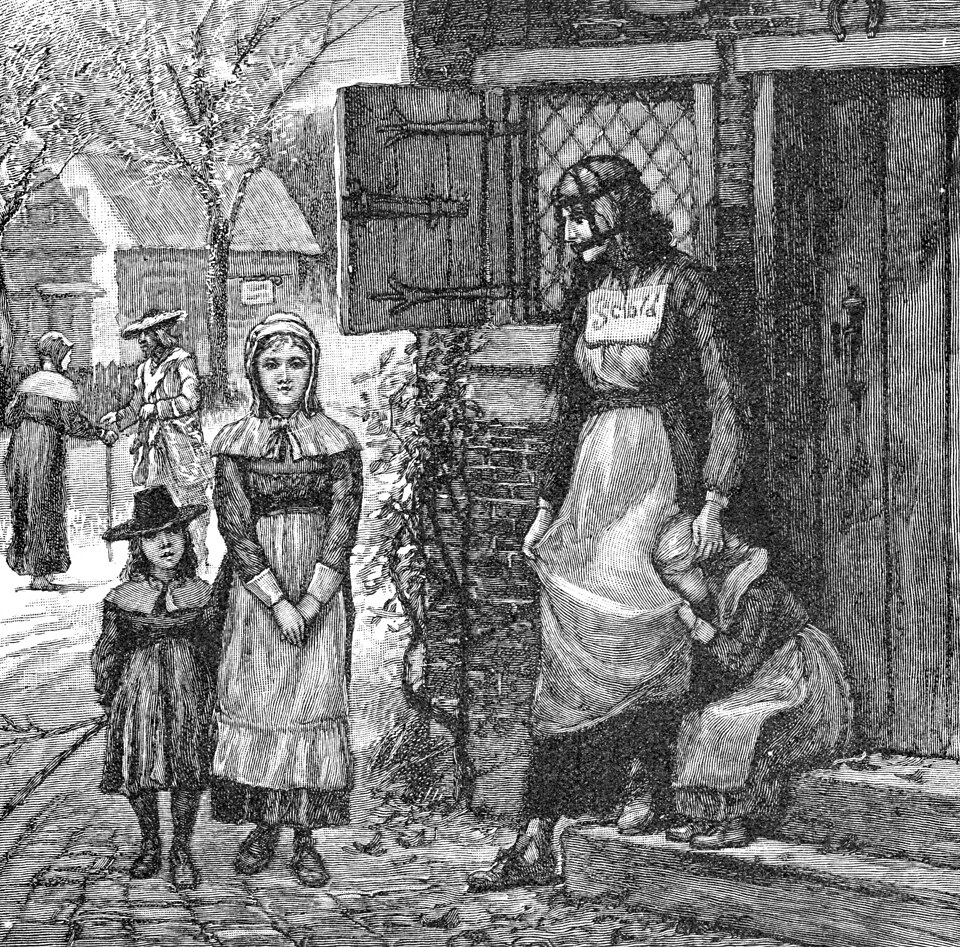
A branked scold in Colonial New England, from a lithograph in A Brief History of the United States, 1885. Wikipedia.

Why Isn’t the Scold's Bridle on Many Lists?

This form of punishment is often left out of torture devices lists because it’s not as “flashy” as the rack, it’s uncomfortable in a modern gender context, it highlights social oppression rather than “medieval horror fantasy”, and it doesn’t fit the dungeon stereotype—this was civic, public punishment.

More Medieval Torture Devices

Explore the dark history of medieval torture devices. From the infamous iron maiden to the gruesome breaking wheel, uncover the sinister methods used to extract confessions and inflict punishment in the Middle Ages.

Skevington's gyves

The Scavenger’s Daughter

The Scavenger’s Daughter compressed the victim’s body into a compact position, causing extreme discomfort and sometimes asphyxiation.

Medieval Torture Devices: The Rack - History & Pictures

The Rack

The rack was a medieval device consisting of a wooden frame with rollers at both ends, onto which the victim’s limbs were tied and stretched.

Medieval Torture Devices: The Iron Maiden - History & Pictures

The Iron Maiden

The The Iron Maiden is typically depicted as a large, upright, coffin-shaped structure with spikes on the inside. But did it actually exist?

Medieval Torture Devices: The Breaking Wheel - History & Pictures

The Breaking Wheel

The Breaking wheel or Catherine wheel involved tying a victim to a large wheel and then breaking their limbs with a hammer or iron bar.

Books about Medieval Torture
and Weapons of the Middle Ages

A collection of books to help you uncover the gruesome details of torture methods, their historical context, and their impact on society.