
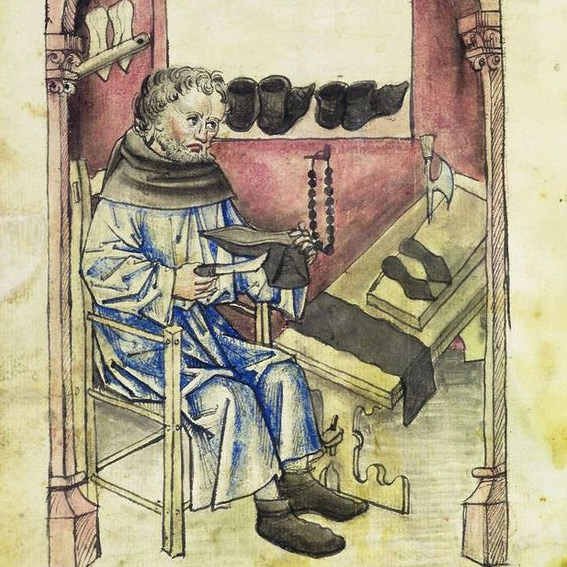
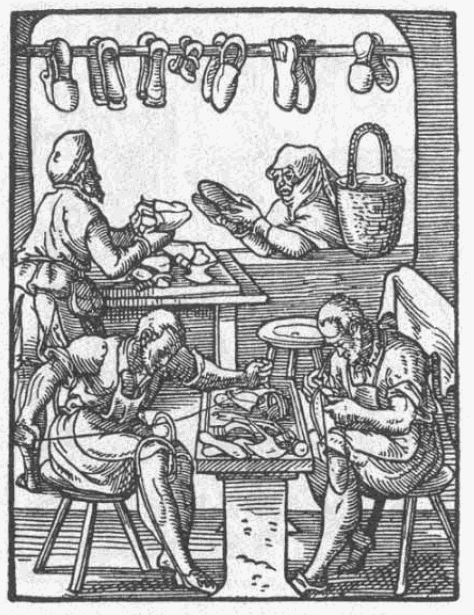

Medieval shoemakers or cobblers designed and created footwear using leather, hide, burlap and wood. learn more about this job.
Although shoes were a necessity, shoemakers in the middle ages only earned average wages. This was also influenced by the high cost of materials. In time, cobblers designed shoes and boots with cheaper ones that still appealed to the mass populace.
The First Shoes
Shoemaking has been a handicraft for most of history. This means shoes had to be manufactured by hand and was a rather time-consuming activity.
Since ancient times, the Mediterranean area used sandals. These were made with a protective sole held to the foot using leather thongs or cords. Sandals were however not adequate for all weathers. In colder climates, crafters usually tied a single piece of untanned hide to provide protection to the whole foot.
In Medieval Europe, clogs or wooden shoes were widespread. Made from a single piece of wood cut into a shoe form (usually male or ash), the outside was sometimes decorated using a chisel or groover. The inner sole was also hollowed and adapted to the shape of the foot.
Medieval Shoemakers
Medieval shoes consisted initially of a piece of leather wrapped around the foot with laces. This design changed towards more diverse styles to reflect the person’s social status.
Medieval shoemakers or cobblers would first measure the feet and cut out the outer leathers in the correct size. Next came the assembling of the sole, which was made of two parts: the inner one, made of soft leather, and the outer, of a firmer texture. The insole was then formed around a piece of wood (one for each foot). Finally, the lasting was secured to the sole with tacks and the soles were hammered into shape. Final steps could include rasping, scraping, smoothing and burnishing.
Shoemakers and cobblers made and also repaired shoes. Most nobles had their own shoemakers, also known as cordwainers. They specialized in luxurious styles with better-quality materials.
Types of Medieval Shoes
Medieval shoes for men sometimes came up wo the knees. Nobles and knights had shoes made of better quality materials. Women wore turnshoes, made of thick and soft leather. Most shoes were very simple and somewhat similar to each other. In fact, there was little distinction between right and left shoes.
In late medieval periods, closed shoes had a pointy toe. Wealthier styles also included patterns scored in them. For example, the leather could be scraped to reveal the suede beneath. Holes could also be punched to make diamond-shaped openings, forming a lattice. Of course, these decorations could make the leather more fragile so these shoes tended to be more decorative than hard-wearing.
Shoemaking Materials
Leather
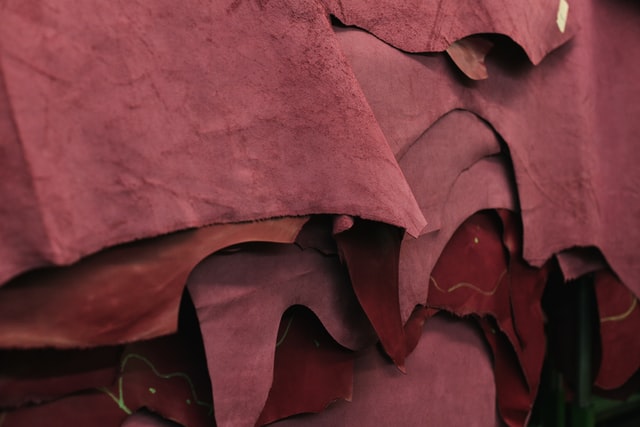
Most medieval shoes were made of leather. The quality of this leather, however, varied significantly. In early medieval times it tended to be lower, but it improved as Europe began trading with the rest of the world.
Burlap
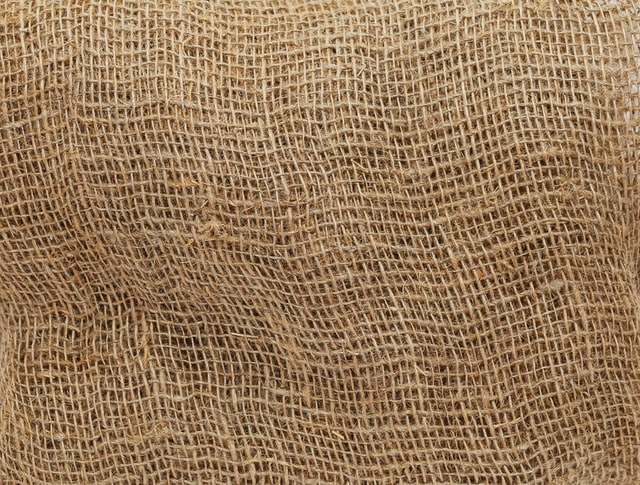
Burlap, also known as hessian or crocus, is usually made from the skin of the jute plant o sisal flowers. These can also be combined with other fibres. Burlap was used in medieval times to make nets, rope, and other products.
Hide
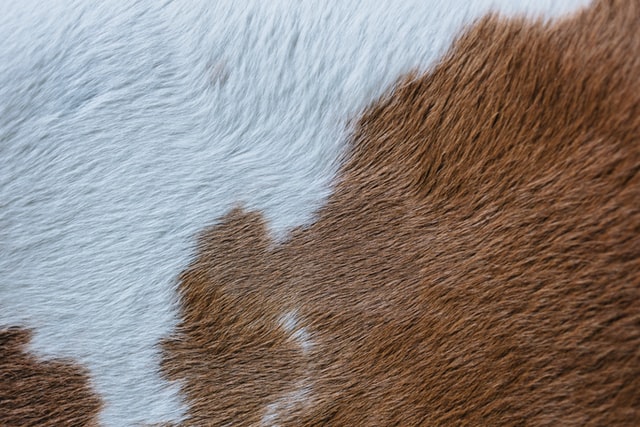
The hide is the cured skin of an animal. The term comes from the German word “haut” (which means “skin”). Common hides come from livestock animals and cattle.
Reptile Skin
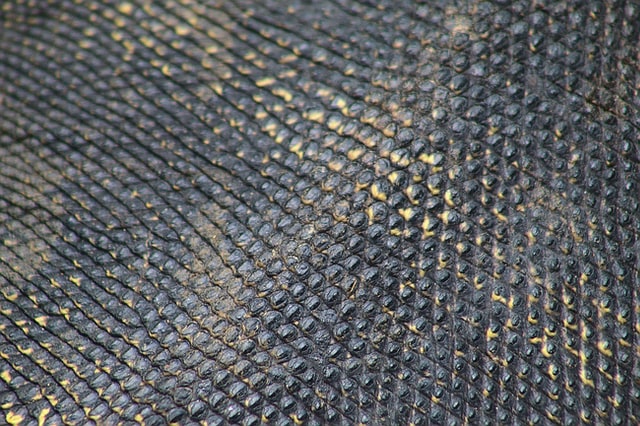
Reptilian skin is covered with scales, which the animals use to form armour. These scales are made of alpha and beta-keratin and are very though.
Cloth
Cloth is a woven or felted fabric made from cotton, wool, silk, flax, or a similar fibres and filaments.
Wood
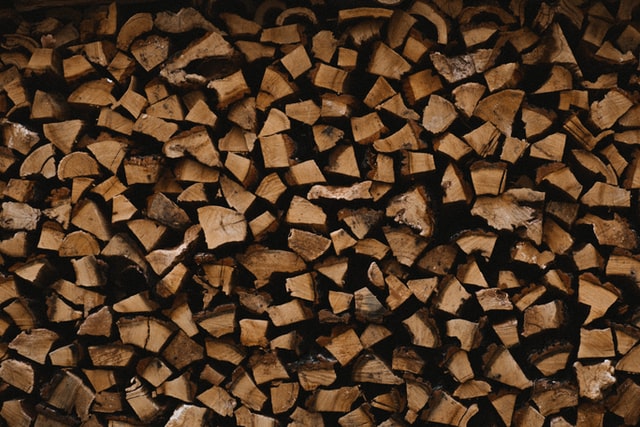
Shoes made of wood were carved from a single block. They were shaped to fit the foot and sometimes had a flexible upper of leather.
Books about Medieval Life
More Medieval Occupations

Medieval Minstrel
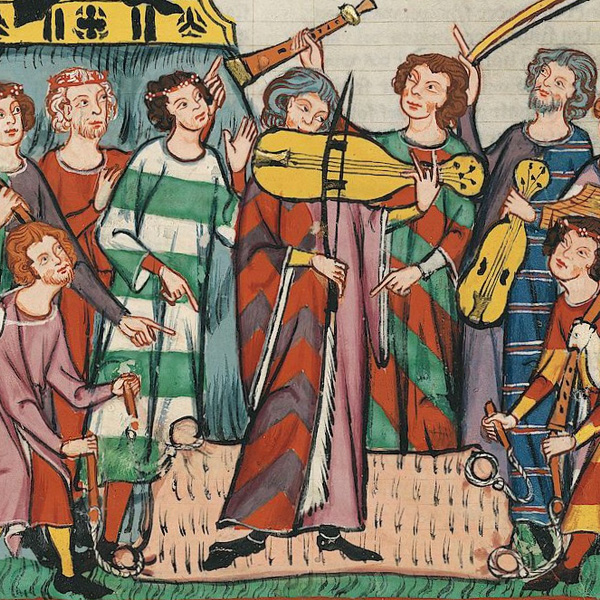
Medieval minstrels sang, played musical instruments, and told engaging stories. Here’s what life was like for a minstrel in the Middle Ages.
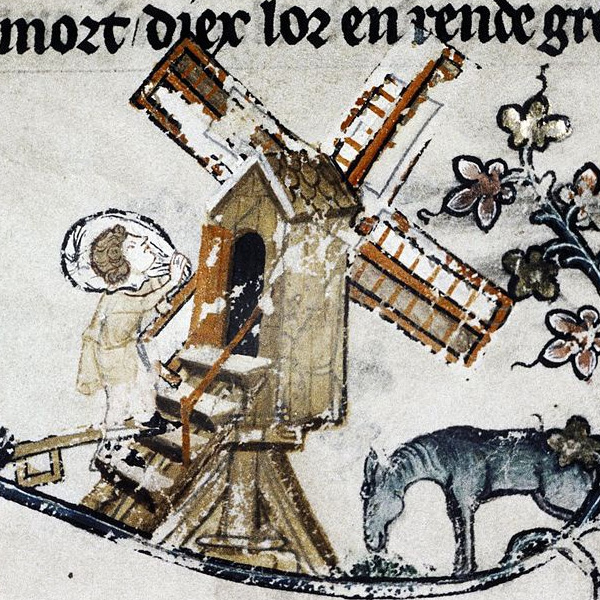
Medieval Miller
Millers were some of the most important tradesmen in the Middle Ages. Learn more about this medieval profession and how millers lived.
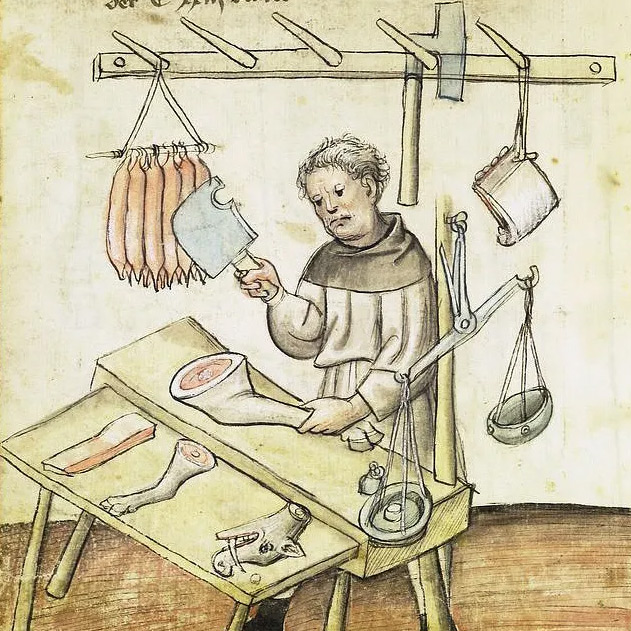
Medieval Butcher
Middle Ages butchers prepared meat, fish, and fowl for the people in a castle or a city. They sometimes had stalls in a marketplace.
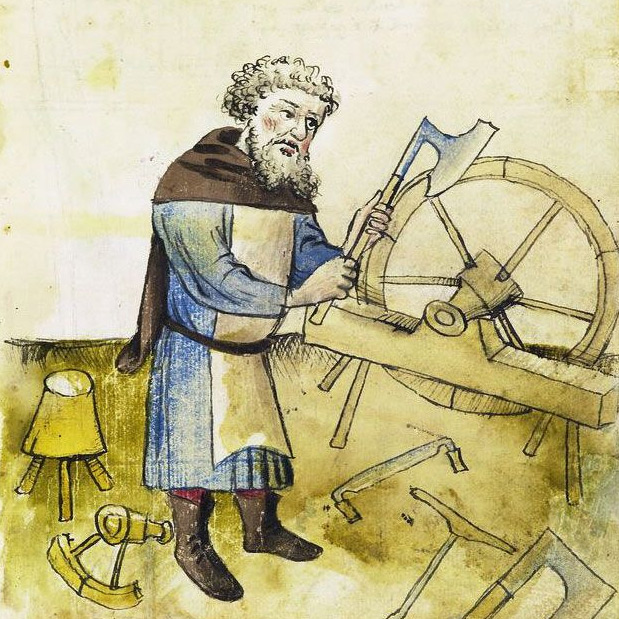
Medieval Wheelwright
Medieval candlemakers made candles from materials such as fat, tallow and beeswax.
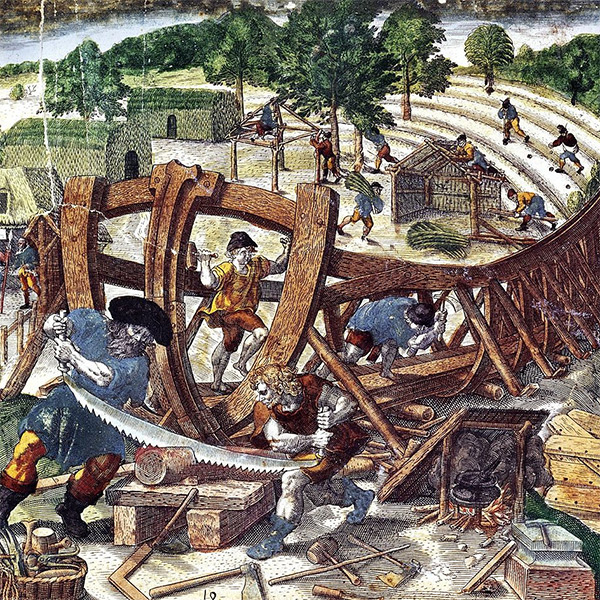
Medieval Shipwrights and Shipmaking
Being a sailor in the middle ages meant living a lonely and difficult life, as they would often set sail for months or even a year at a time.
Medieval Stable Master and Grooms
Medieval Stable Master and Grooms were responsible for horses and stables.