
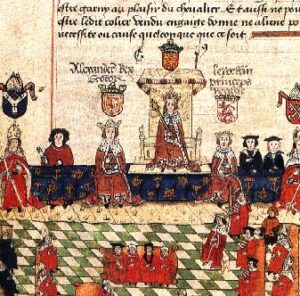
England’s history is rich with the deeds of its warriors. Now, while knights were often portrayed as heroic figures in medieval literature and legend, it’s important to remember that not all knights lived up to this idealized image.
Being a knight in England during the Middle Ages was both a prestigious privilege and a demanding responsibility. Knights were members of the feudal nobility, typically granted land or estates by the king or a lord in exchange for military service.
So, let’s explore the age of chivalry and valour as we embark on a journey through the stirring tales of medieval knights in England. Here are the most popular knights and when they lived:
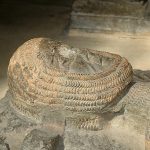
William Marshal, 1st Earl of Pembroke
William Marshal, renowned as the “Greatest Knight,” epitomized the virtues of chivalry and honour. Born into a minor noble family, he rose to become one of the most celebrated knights of his time, serving five English kings. A skilled warrior and diplomat, he played a pivotal role in the tumultuous politics of medieval England, earning widespread respect and admiration for his bravery and integrity.
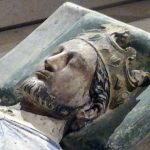
Richard the Lionheart, King of England
Richard the Lionheart, a legendary figure in English history, was celebrated for his valour and martial prowess. As a crusader king, he led the Third Crusade to recapture Jerusalem from Saladin, earning a reputation for his military prowess and chivalric deeds. Despite his short reign and frequent absences from England, Richard’s legacy as a warrior king endures, immortalized in tales of medieval chivalry and heroism.
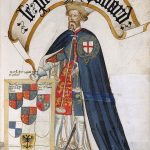
Edward, the Black Prince
Edward, the Black Prince, was a renowned military leader and heir to the English throne during the Hundred Years’ War. Famed for his victories at Crécy and Poitiers, he earned his nickname for the black armor he wore into battle. Revered as a symbol of martial valor and knightly virtue, the Black Prince’s exploits left an indelible mark on medieval English history.
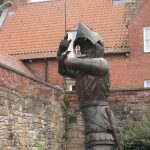
Henry Percy, 1st Earl of Northumberland
Henry Percy, known as “Hotspur,” was a formidable knight and military commander in medieval England. Renowned for his courage and martial skill, he played a prominent role in the Wars of the Roses and the rebellion against King Henry IV. Despite his eventual defeat at the Battle of Shrewsbury, Hotspur’s reputation as a fearless warrior endures in English folklore.
Sir William de la Pole, 1st Duke of Suffolk
Sir William de la Pole, a prominent nobleman and military leader, rose to prominence during the reign of King Henry VI. As a trusted advisor to the king, he played a key role in English politics and diplomacy. Despite his initial success, Suffolk’s political ambitions ultimately led to his downfall, culminating in his exile and eventual death.
Sir Gawain, Knight of the Round Table
Sir Gawain, a central figure in Arthurian legend, was renowned for his courage, honour, and loyalty. As a member of the Knights of the Round Table, he embarked on numerous quests and adventures, showcasing his martial prowess and chivalric virtues. Gawain’s character embodies the ideals of knighthood, making him a beloved figure in medieval literature and folklore.
Sir Thomas Beauchamp, Earl of Warwick
Sir Thomas Beauchamp, Earl of Warwick, was a prominent nobleman and military commander in medieval England. Known for his military prowess and political acumen, he played a crucial role in the Hundred Years’ War and the turbulent politics of the era. As one of the wealthiest and most influential magnates in England, Warwick wielded considerable power and influence.
Sir John Chandos
Sir John Chandos was a renowned knight and military commander who served with distinction during the Hundred Years’ War. Known for his tactical brilliance and valour in battle, he played a key role in numerous campaigns against the French. Chandos’s military exploits earned him widespread acclaim and cemented his reputation as one of England’s greatest medieval warriors.
Books about Medieval Life
More Medieval People

Medieval People: Andrew de Moray
Andrew de Moray a pivotal figure in the Wars of Scottish Independence and stands as a symbol of Scottish resistance against the English.
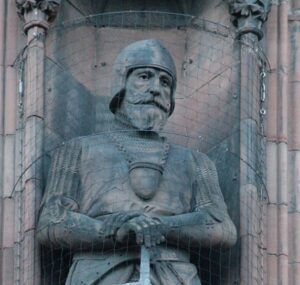
Medieval People: James Douglas, Lord of Douglas
James Douglas was a formidable figure renowned for his unwavering loyalty, military prowess, and unyielding commitment to Scotland’s cause.
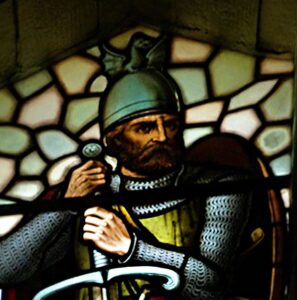
Medieval People: William Wallace
William Wallace commands reverence as a symbol of resistance against English oppression during the Wars of Scottish Independence.
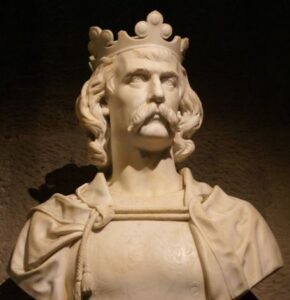
Medieval People: Robert the Bruce
Robert the Bruce was one of Scotland’s most renowned medieval kings and a prominent figure in the country’s history.
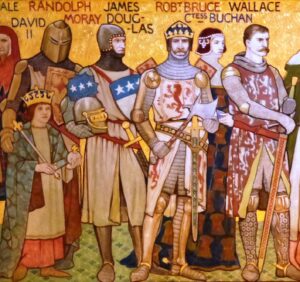
Scotland’s Most Famous Medieval Knights & Warriors
Scottish knights played a crucial role in shaping the medieval history of Scotland. Learn more about their bravery and fierce determination.
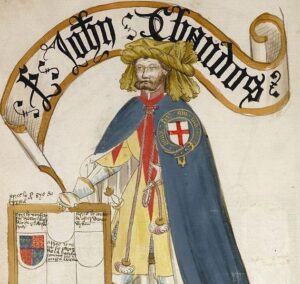
Medieval People: Sir John Chandos
Sir John Chandos was a notable medieval knight and military commander who played a significant role in the Hundred Years’ War.