
Medieval “rat torture” is one of those topics that shows up constantly in horror stories and pop-history… but the reality is murkier and more complicated than most people think. “Rat torture” usually refers to a method where a rat (or other animal) is trapped against a victim’s body. Heat or pressure is then applied to make the rat panic and the animal claws or bites in an attempt to escape.
It’s one of the most gruesome torture stories because it combines animals, fear, unpredictable injury, and psychological horror.
Rat Torture in Medieval Times
Most detailed stories of rat torture come from early modern prisons (1500s–1700s), colonial-era punishments, and 19th-century horror writing and “medieval dungeon” exhibitions.
Even if rat torture wasn’t common, rats were terrifying in medieval life because they spread disease (especially plague-era fear), they infested homes, granaries, and ships, and they symbolized filth, death, and divine punishment. So rats were psychologically powerful—even without being used as torture tools.
Was Rat Torture Real?
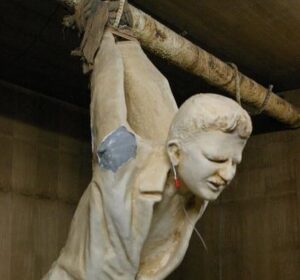
Unlike torture methods such as the rack or strappado, rat torture is not well documented in medieval legal or inquisitorial records.
Historians generally note that medieval courts tended to use torture methods that were standardized and recorded. Animal-based torture became more common in later folklore, propaganda, or sensational stories, but specific “rat torture devices” rarely appear in reliable primary sources.
There are absolutely real, well-documented torture and punishment devices from medieval and early modern Europe. The key difference is that the most authentic ones are the ones that appear repeatedly in court records, legal manuals, and eyewitness accounts. So while it’s possible it occurred in isolated cases, it was not a common or officially documented medieval practice.