
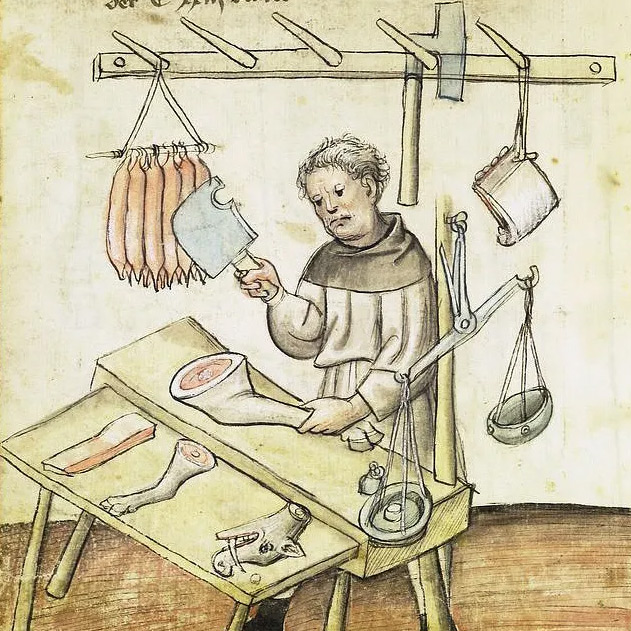
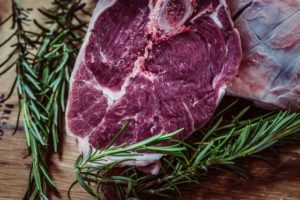
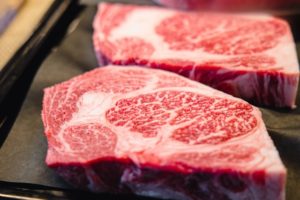

Medieval butchers prepared beef, pigeons, chicken, veal, lamb, and many species of fish for the people in a castle or a city. They cut the meat using stakes, knives, and cleavers.
Butchers of the middle ages sometimes had stalls in a marketplace, although all meta, poultry and fish was usually slaughtered at specific slaughter houses that ensured a level of sanitarion.
History of Butchers
People have been eating meat before it could actually be cooked. Archaeological evidence shows we were consuming raw meat about 2.5 million years ago. Around 1.9 million years ago, we can notice changes in the skeletons of early humans that show meat was now being cooked. However, the oldest remains of dedicated hearths go back about 400,000 years ago. This is the age of the first butchery site discovered in the United Kingdom (near Kent).
During the Roman era, butchery existed as a specific trade – especially as towns and villages grew so much that they didn’t have enough space for each household to keep livestock. In the United Kingdom, a 1700-year old site in Devon suggests only the prime cuts were sold.
Butchers and Butchery in the Middle Ages
Butchery is one of the oldest official trades to form a guild. There are records of butchers organising as far as 976, although the first guild dates back to 1272.
Guilds required butchers to maintain high levels of cleanliness in order to prevent the outbreak of disease. They also help maximise the amount of meat that could be processed, as a lot of it was reserved for the nobility and the wealthy. It was usually illegal for the peasant class to hunt on land that belonged to the aristocracy. This led to frequent poaching.
Butchers that mislabeled or sold poor quality meat in medieval times were frequently punished.
Types of Meat Used by Medieval Butchers
In medieval times, different people had access to a variety of meats depending on their social status. Several days were deemed “meatless” by the Catholic Church – but most people didn’t eat meat or poultry every day. Fish was more common, not just in coastal regions but also inland.
Spices were used liberally to enhance the flavour of meat and fish. For those who couldn’t afford them, there was always flavourings like garlic, vinegar, onion, and herbs.
Meat for the Wealthy vs Meat for the Poor
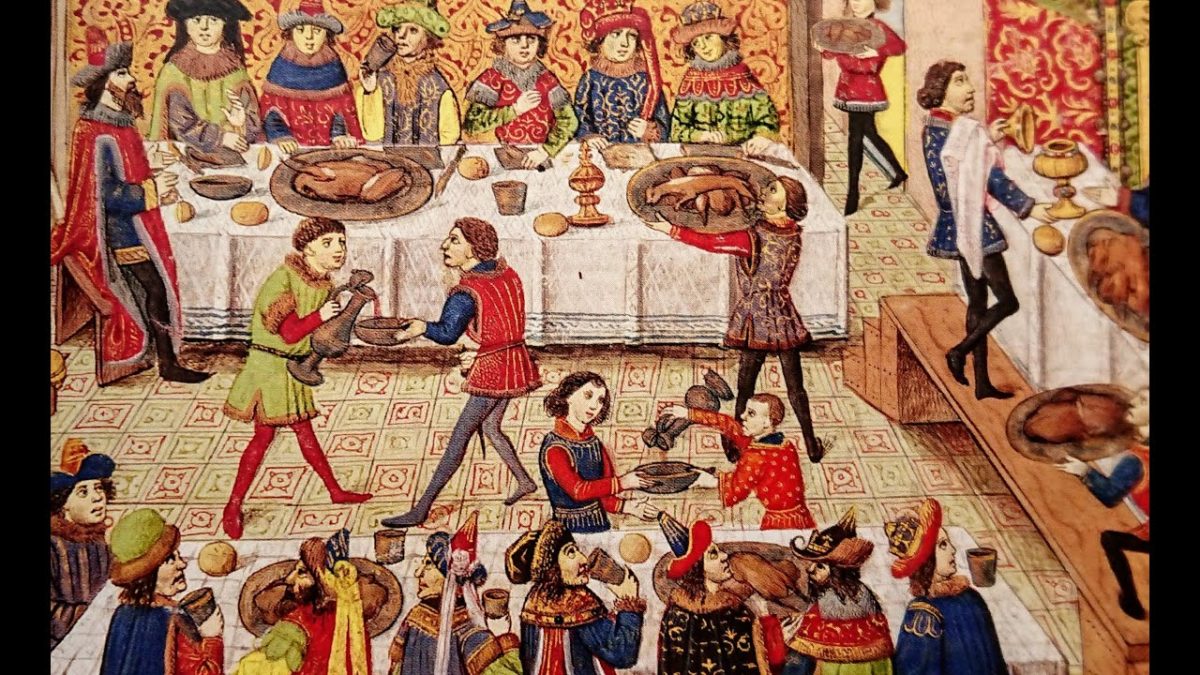
Residents of castles and manors usually ate wild game from nearby forests and fields, and livestock raised in their pastureland. During sumptuous feasts, the highest-ranking residents received the most elaborate dishes and finest portions of meat. This meant that those of lower rank didn’t always partake of the rarest of best cuts of meat.
Peasants didn’t have much fresh meat. Domestic animals like sheep and cows were too expensive or large for everyday fare, so they were reserved only for special occasions like harvest celebrations.
Monastic orders limited or forbade the consumption of meat except for sick monks and nuns. The elderly were also allowed more, while the abbot or abbess would regularly serve mears to guests (and sometimes partake in the meals).
Pork, Ham & Bacon
Pigs were popular animals in medieval times. They could forage almost anywhere, so many peasant families had them. Still, their meat was made the most of by turning into ham and bacon, rather than eating the pork directly. So it was an unusual meal for peasants.
Chicken
Although many medieval peasant families had chickens, people only consumed their meat after their egg-laying days were over. Because chickens could find their own food, very little effort was required to keep them. However, those with access to a henhouse had better chances of surviving fox attacks.
Goat, Mutton and Lamb
Goat was not particularly popular in most parts of medieval Europe. Mutton (meat from a sheep that is at least a year old) and lamb were more widespread choices. In fact, mutton was sometimes the most expensive meat available! Both peasants and the nobility preferred it.
Beef and Veal
Beef was regarded as a coarse type of meat. Veal was much more popular, as it was more tender. Many peasant houses had cows, which would be slaughtered when their days of giving milk had passed. In order to avoid having to feed the animal through winter, many were killed in autumn.
Rabbit and Hare
Rabbits were introduced to Britain as a food after the Norman Conquest. Hares were never domesticated but were frequently hunted and eaten in medieval Europe. Their meat was frequently served in a heavily-peppered dish with a sauce made from its blood.
Venison and Boar
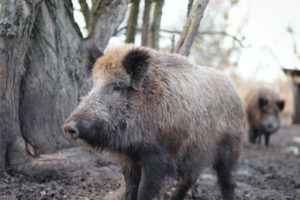
Venison (the meat from fallow, roe and red) was enjoyed by the nobility and their guests. The superior option was the male deer. Wild boars were also consumed, including their liver, stomach, and blood. Often, a Christmas feast was crowned by a boars’ head.
Fish
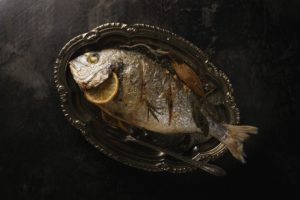
Most castles and manors kept well-stocked fish ponds for the purpose of feeding their inhabitants. Common species included herring, salmon, plaice, eel, whiting, trout, and pike. Medieval food also included oysters, crab, mussels and cockles.
Books about Medieval Life
More Medieval Occupations

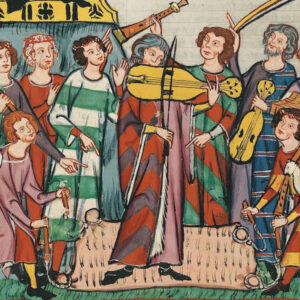
Medieval Minstrel
Medieval minstrels sang, played musical instruments, and told engaging stories. Here’s what life was like for a minstrel in the Middle Ages.
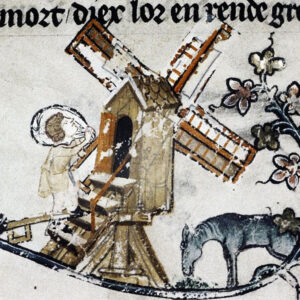
Medieval Miller
Millers were some of the most important tradesmen in the Middle Ages. Learn more about this medieval profession and how millers lived.
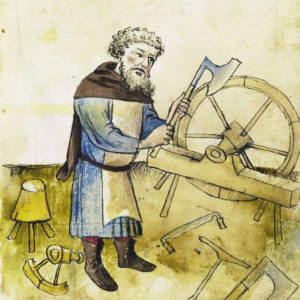
Medieval Wheelwright
Medieval candlemakers made candles from materials such as fat, tallow and beeswax.
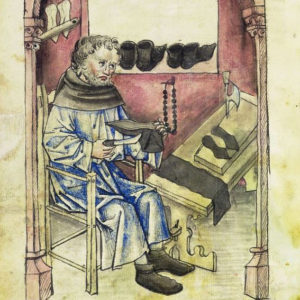
Medieval Shoemaker
Medieval candlemakers made candles from materials such as fat, tallow and beeswax.
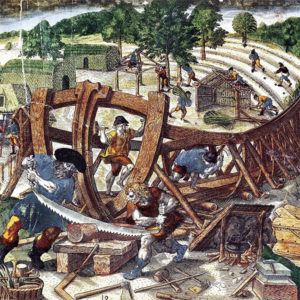
Medieval Shipwrights and Shipmaking
Being a sailor in the middle ages meant living a lonely and difficult life, as they would often set sail for months or even a year at a time.
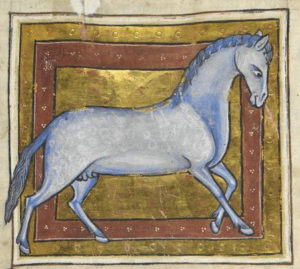
Medieval Stable Master and Grooms
Medieval Stable Master and Grooms were responsible for horses and stables.